
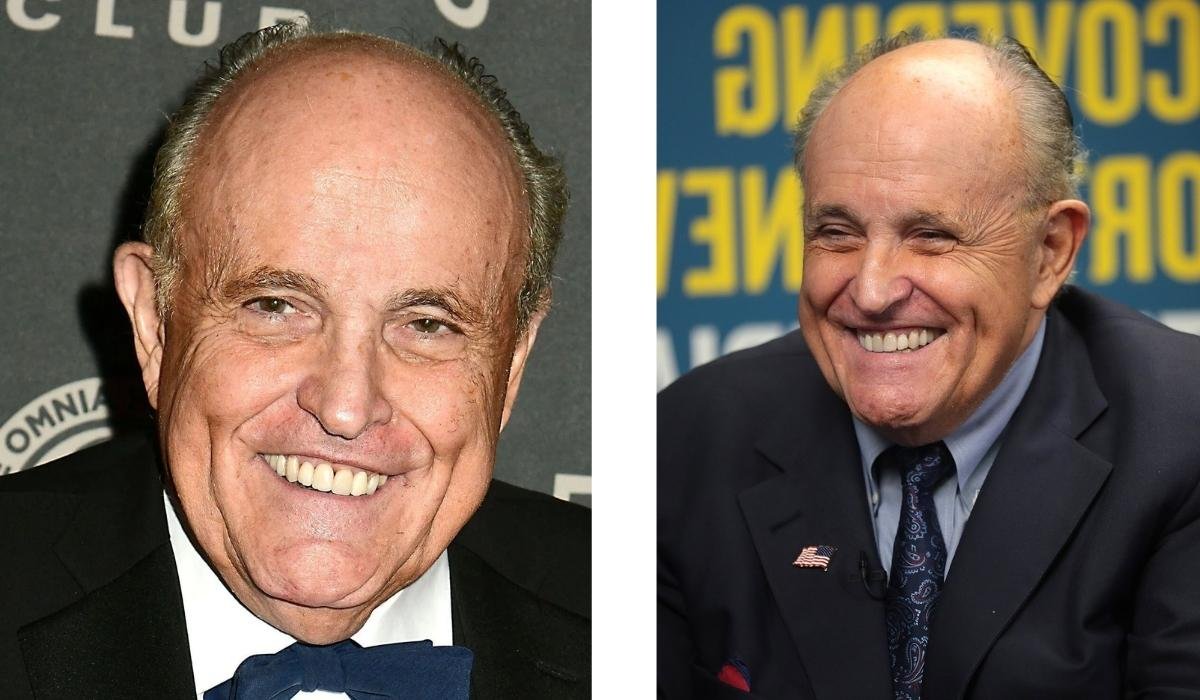
Rudolph William Louis Giuliani, commonly known as Rudy Giuliani, has remained a fixture in American public life for decades. Rising from a background in federal prosecution, he gained national prominence as the Mayor of New York City during the late 20th century. His tenure was defined by aggressive urban policies and a transformation of the city’s approach to crime, which drew both significant praise and intense criticism. Over the years, his influence expanded into the national political sphere, leading to high-profile legal roles and ongoing involvement in the complex landscape of American electoral politics and public discourse.
Quick Bio
| Attribute | Details |
| Full Name | Rudolph William Louis Giuliani |
| Birth Date | May 28, 1944 |
| Role | Former Mayor of New York City, Attorney |
| Known For | Prosecutorial work, crime reduction policies |
Early Life and Legal Foundations
Born in Brooklyn, New York, Rudy Giuliani developed a strong interest in law at an early age. His academic journey took him to Manhattan College, followed by his pursuit of a Juris Doctor at the New York University School of Law. These formative years provided the bedrock for a career defined by high-stakes litigation and institutional change. Before stepping into the limelight of elected office, he served in the federal government, gaining a reputation as a rigorous and ambitious official. His early experiences in the Department of Justice prepared him for the complex challenges that would define his future professional path.
Rise as a Federal Prosecutor
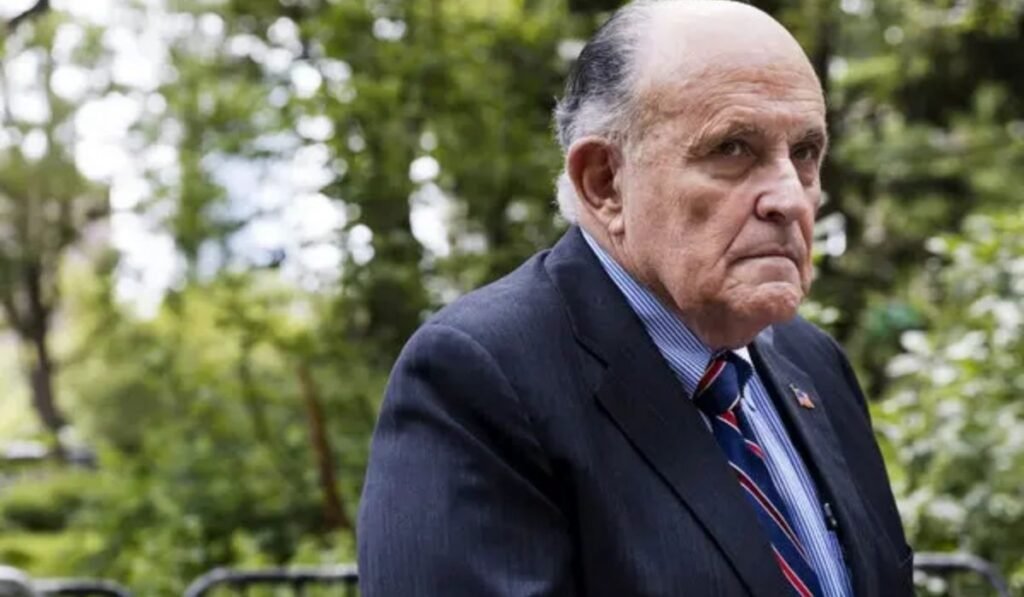
As a federal prosecutor in the Southern District of New York, Rudy Giuliani became a symbol of the war on white-collar crime. He captured public attention by targeting influential figures on Wall Street, aiming to root out corruption and restore faith in financial markets. His approach to prosecution was often aggressive, utilizing statutes such as the Racketeer Influenced and Corrupt Organizations Act to dismantle criminal enterprises. This period solidified his public image as a tough-on-crime figure, a reputation that would serve as the essential launching pad for his eventual entry into the world of municipal politics.
The 1993 Mayoral Campaign
The 1993 mayoral election in New York City proved to be a defining moment for Rudy Giuliani. Facing incumbent David Dinkins, he ran on a platform heavily focused on public safety and quality-of-life concerns. The city was grappling with economic anxiety and social polarization, creating a demand for new leadership and a shift in urban policy. His victory marked a significant turning point, making him the first Republican mayor to lead the city in decades. This election reshaped the political landscape of New York, setting the stage for a dramatic transition in how the city was governed and managed.
Transforming New York City Governance
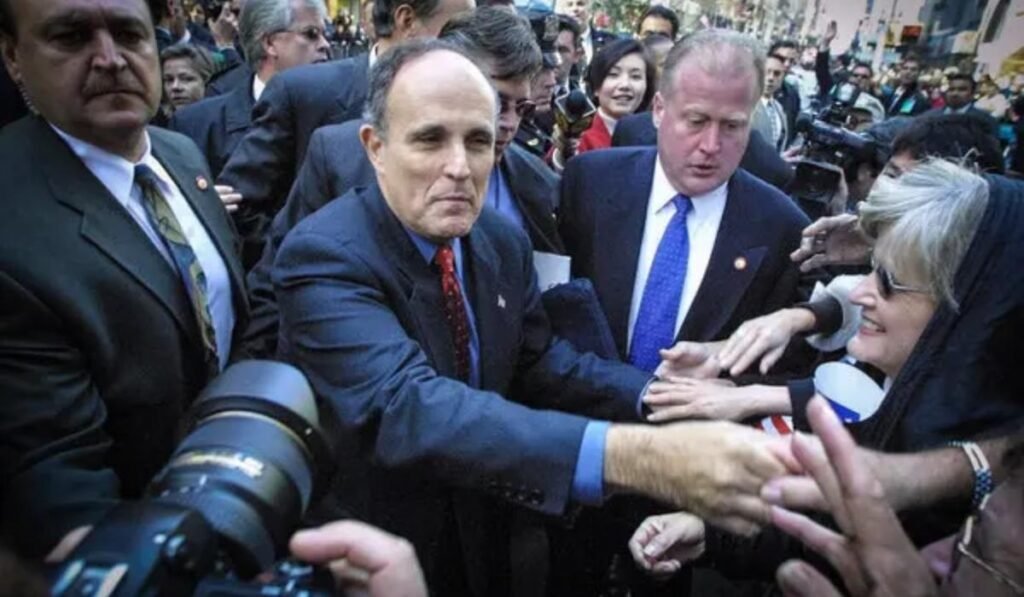
Upon taking office, Rudy Giuliani implemented a governance model that emphasized efficiency and accountability. He sought to reduce the scope of government bureaucracy while simultaneously increasing the presence of law enforcement on city streets. His administration focused on restoring order to public spaces, an effort that his supporters credited with revitalizing the city’s economy and reputation. However, these changes were not without pushback, as critics argued that his methods came at the expense of social services and disproportionately affected marginalized communities. His tenure remains a subject of intense debate among urban planners and political scientists today.
The Zero Tolerance Policing Strategy
Central to his mayoral legacy was the implementation of the zero-tolerance policing strategy. This approach involved the aggressive prosecution of minor offenses in the belief that maintaining order in small matters would prevent more serious crimes from occurring. The strategy was highly controversial, sparking nationwide discussions about the balance between public safety and civil liberties. Proponents viewed it as a necessary measure to curb rising crime rates, while opponents labeled it an authoritarian tactic that strained community relations. This specific policy approach became synonymous with his administration and continues to influence modern debates on urban law enforcement.
Relationship with the Media and Public
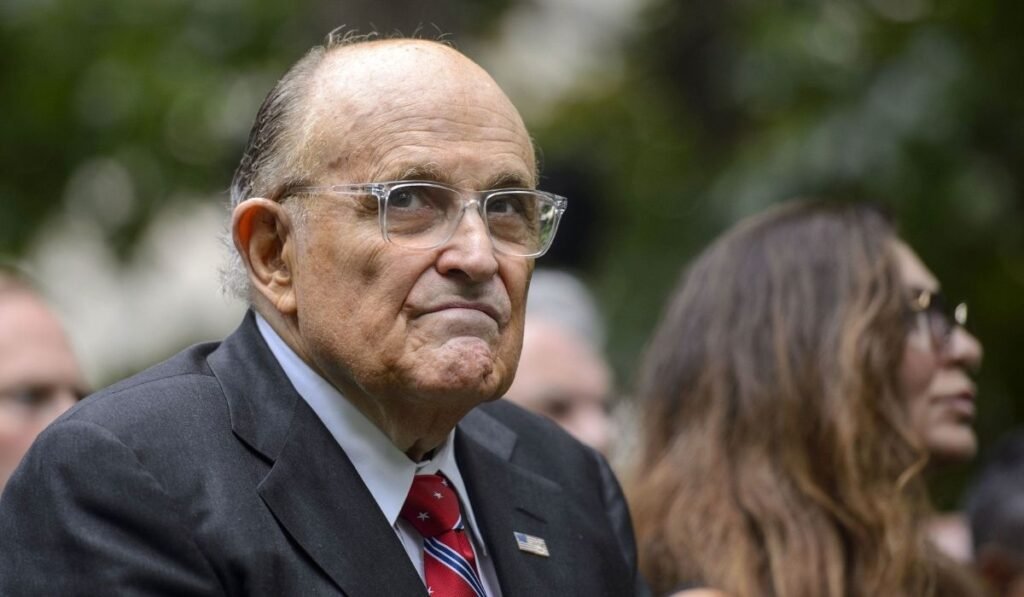
Throughout his time as mayor, Rudy Giuliani maintained a unique and often contentious relationship with the media. He was frequently featured on magazine covers and television programs, navigating the intersection of celebrity and public service. His tendency to challenge critical press coverage, sometimes through legal action, showcased a distinct approach to managing his public image. The tension between his administration and media outlets highlighted the broader conflict between government transparency and political maneuvering. His ability to dominate the news cycle ensured that he remained a central figure in the cultural and political discourse of the 1990s.
The Challenges of Urban Polarization
New York City under Rudy Giuliani was a place of deep social and political polarization. As demographic shifts transformed neighborhoods across the five boroughs, the city faced the difficult task of maintaining unity amid changing economic tides. His policies were often met with resistance from various advocacy groups who argued that the city’s social fabric was being compromised by his focus on law and order. The debates surrounding his leadership often mirrored the larger national struggles regarding income inequality and the role of the state in managing diverse urban populations. These challenges were defining features of his time in office.
Public Health and Crisis Management
Managing the vast complexities of New York City required a constant focus on public health and disaster preparedness. Rudy Giuliani frequently dealt with the logistical and political challenges of responding to emergencies and long-term public health issues. His administration’s efforts to address these crises were often analyzed through the lens of political effectiveness and decision-making under pressure. By navigating these high-stakes scenarios, he solidified his reputation as a leader who operated decisively, even when his choices attracted significant scrutiny from his political rivals and the public. These experiences left a lasting impact on his executive legacy.
The Economic Legacy of the Giuliani Years
The economic trajectory of New York City during the late 1990s and early 2000s is often discussed in relation to the policies of the Giuliani administration. Proponents point to the falling crime rates and private sector growth as clear indicators of his success in creating a more hospitable environment for business and tourism. Critics, however, emphasize that these economic gains were not evenly distributed, leading to widened gaps in housing and essential services. This complex economic landscape remains a significant point of reflection for those studying the history of American municipal governance and urban development at the turn of the millennium.
Transitioning to the National Stage
Following his departure from City Hall, Rudy Giuliani began a shift toward national political influence. His profile as a “tough” leader helped him transition into roles where he could command attention on broader national issues. This period marked a transition from a local executive to a figure involved in national debates, reflecting his enduring status within the Republican party. The shift in focus allowed him to leverage his past experiences to shape narratives on foreign policy, law enforcement, and executive power. This trajectory highlights his persistent ability to remain at the center of American political life.
Involvement in Legal and Political Advocacy
In recent years, Rudy Giuliani has become highly active in legal and political advocacy. His role in various high-profile legal challenges has kept him in the headlines and at the center of intense national debates. Whether representing political figures or engaging in public discourse regarding election integrity, his actions have consistently drawn both ardent support and sharp criticism. This phase of his life underscores the ongoing impact of his career on the legal and political standards of the country. His involvement continues to influence the national conversation on the boundaries of legal representation and political speech.
Debates on Ethical Standards in Law
The legal career of Rudy Giuliani has increasingly become a subject of discussion regarding professional ethical standards. Recent years have seen legal scholars and institutions debate the responsibilities of attorneys when engaging in politically charged litigation. These discussions often examine the extent to which legal representation can be used to advance controversial narratives and whether such actions adhere to the established rules of civil procedure. The scrutiny he has faced serves as a case study for the intersection of law, politics, and ethics, raising important questions about the role of the legal profession in American democracy.
Influence on Modern Republican Politics
Rudy Giuliani remains a highly influential figure within the contemporary Republican party. His vocal support for specific policies and leaders has made him a lightning rod for the ideological shifts occurring within the political right. By positioning himself as a defender of traditional conservative values and a critic of progressive urban policies, he has maintained a strong base of support among certain demographics. His ability to mobilize voters and shape party platforms demonstrates the enduring reach of his brand. As the party continues to evolve, his presence remains a significant factor in shaping its future direction and strategy.
Perspectives on His Long-Term Legacy
Assessing the long-term legacy of Rudy Giuliani requires a balanced look at the disparate ways he is viewed by the American public. To some, he is a transformational leader who revitalized a city in decline; to others, he is a figure whose policies caused lasting social harm. This duality is central to his public image and will likely influence how historians analyze his career for years to come. The ongoing discourse surrounding his actions suggests that there is no singular consensus on his impact. Instead, his legacy is characterized by the intense emotional and political responses he continues to elicit today.
The Intersection of Law and Media
Throughout his life, Rudy Giuliani has navigated the complex intersection of the legal system and the media. His career demonstrates the power of utilizing high-profile legal cases to shape public opinion and advance political agendas. By understanding how to effectively communicate his perspective to a wide audience, he has consistently remained a focal point of news coverage. This proficiency in media relations has been both an asset and a liability, as his public appearances have often fueled the same controversies he sought to address. The evolution of this strategy reflects the changing landscape of American media.
Lessons from a Career in Public Service
The career of Rudy Giuliani offers numerous insights for students of political science and public administration. His life’s work illustrates the challenges inherent in balancing competing interests in a democratic society. Whether as a prosecutor or an elected official, his decisions reflect the difficult trade-offs that public leaders must navigate when attempting to implement significant change. Analyzing his path provides a glimpse into the mechanics of power, the complexities of governance, and the unpredictable nature of political survival in the modern era. These lessons remain relevant for those seeking to understand the dynamics of public service.
Navigating Political Blame and Credit
Much of the commentary surrounding Rudy Giuliani involves the attribution of both success and failure in his various roles. Whether it is crime reduction or crisis management, he has often found himself in the middle of intense “blame games” and framing contests. This tendency to take credit for positive outcomes while deflecting responsibility for negative ones has been a signature of his political style. Observing how he manages these narratives provides a masterclass in political maneuvering, showcasing the methods that public figures use to protect their reputations and sustain their influence despite widespread criticism.
Historical Context of His Tenure
To truly understand the impact of Rudy Giuliani, one must view his actions within the historical context of late 20th-century America. The issues he addressed were not isolated to New York City but were part of a broader national trend towards conservative governance and increased focus on law and order. His rise coincided with significant shifts in the economy, social norms, and the political power of cities. By studying the period in which he operated, one can better appreciate the forces that shaped his decisions and the reasons why his tenure continues to be a subject of such significant academic and public interest.
Future Outlook and Ongoing Relevance
As we look toward the future, it is clear that the influence of Rudy Giuliani will continue to be felt in American life. His career serves as a testament to the longevity of political figures who successfully tap into the anxieties and aspirations of the electorate. While the nature of his involvement may change, his ability to stay relevant in an ever-shifting political environment is undeniable. For more detailed information on his early life and career page. His story remains an essential chapter in the ongoing narrative of American politics.
FAQs
- What was the primary focus of Rudy Giuliani’s mayoral platform in 1993?
- His platform was primarily focused on public safety and improving the quality of life in New York City.
- What legal strategy did Rudy Giuliani famously use as a federal prosecutor?
- He frequently utilized the Racketeer Influenced and Corrupt Organizations Act to dismantle criminal enterprises.
- Why did Rudy Giuliani’s zero-tolerance policy attract national controversy?
- The policy was criticized for its potential to infringe upon civil liberties and strain relationships between police and community members.
- Was Rudy Giuliani the first Republican mayor of New York in a generation?
- Yes, his victory in the 1993 election made him the first Republican to hold the office in decades.
- Is Rudy Giuliani still active in the legal or political sphere?
- Yes, he continues to be involved in legal advocacy and remains an influential figure in national political discourse.