
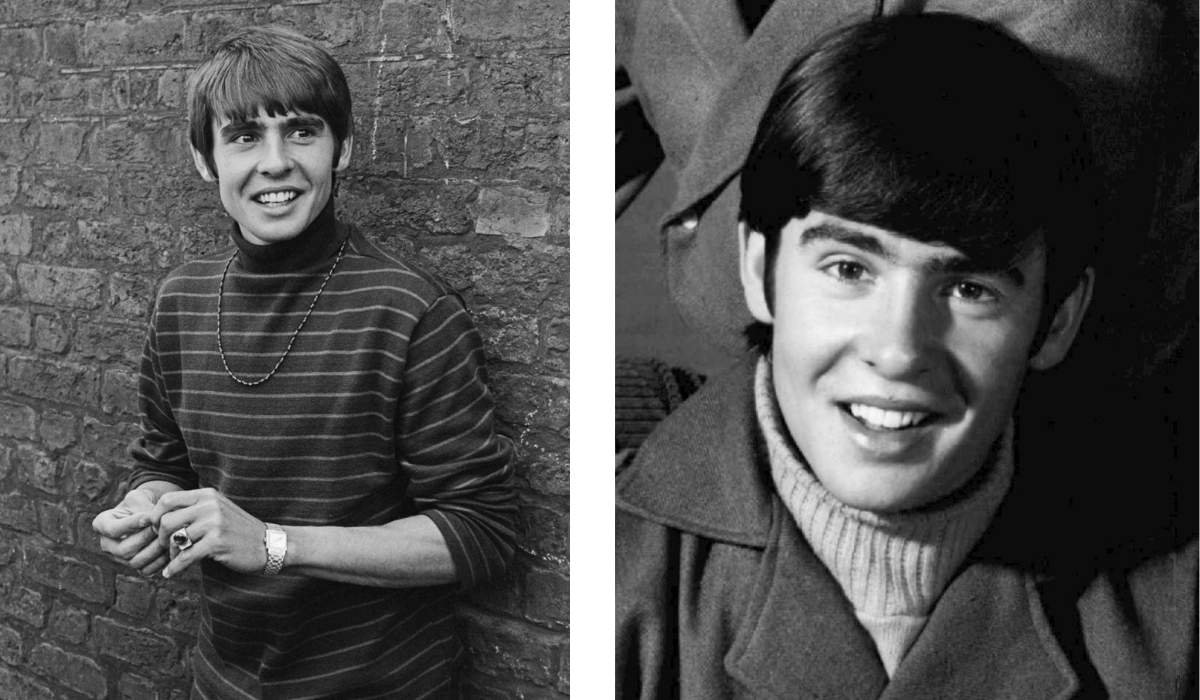
Davy Jones remains one of the most recognizable faces of the 1960s, largely thanks to his role as the charismatic front man of the legendary pop group, The Monkees. Born in Manchester, England, he transitioned from a promising career as a jockey and stage actor to becoming a worldwide teen idol. As a member of The Monkees, he brought a unique blend of charm, wit, and musicality that captivated millions of fans globally. His journey from the London stage to the heights of American television fame is a testament to his enduring talent and the massive cultural impact of the band he helped define.
Quick Bio
| Attribute | Detail |
| Name | David Thomas Jones |
| Birth Date | December 30, 1945 |
| Birthplace | Manchester, England |
| Died | February 29, 2012 |
| Key Role | Lead Singer, The Monkees |
| Notable Hits | “Daydream Believer”, “I Wanna Be Free” |
Early Life and Roots in Manchester
Before rising to fame as the heartthrob of The Monkees, Davy Jones spent his early years in Openshaw, Manchester. Born into a working-class family, he faced early hardship, including the tragic loss of his mother when he was just fourteen years old. Despite Davy Jones these challenges, his natural inclination for performance began to shine through. He briefly pursued a career in horse racing as a jockey but ultimately felt the pull of the spotlight. This period of his life laid the groundwork for his future, shaping the resilient and hardworking character that would eventually define his time in the limelight.
The Transition to Professional Acting
Davy Jones first found success on the stage, notably playing the Artful Dodger in the musical Oliver! His performance was so compelling that he traveled with the production to Broadway, earning a Tony Award nomination. This theatrical background was crucial, as it provided him with the stage presence and dramatic skills necessary to anchor a television series. Before joining the band, he gained experience in British soap operas and American TV dramas. This professional training proved invaluable when he was eventually cast as the lead in a new show about a fictional rock group inspired by the Beatles.
Auditioning for The Monkees TV Show
The creation of The Monkees was a calculated move by producers Bob Rafelson and Bert Schneider, who sought to capture the energy of the British Invasion. Davy Jones was arguably the most essential piece of the puzzle, as he was the only member already under contract with Screen Gems. The producers famously auditioned hundreds of hopefuls to find the right chemistry for the group. Davy’s natural charm and previous experience made him the clear choice to lead the ensemble. His audition process solidified his spot, effectively setting the tone for what would become an international pop culture phenomenon.
The Phenomenal Success of The Monkees
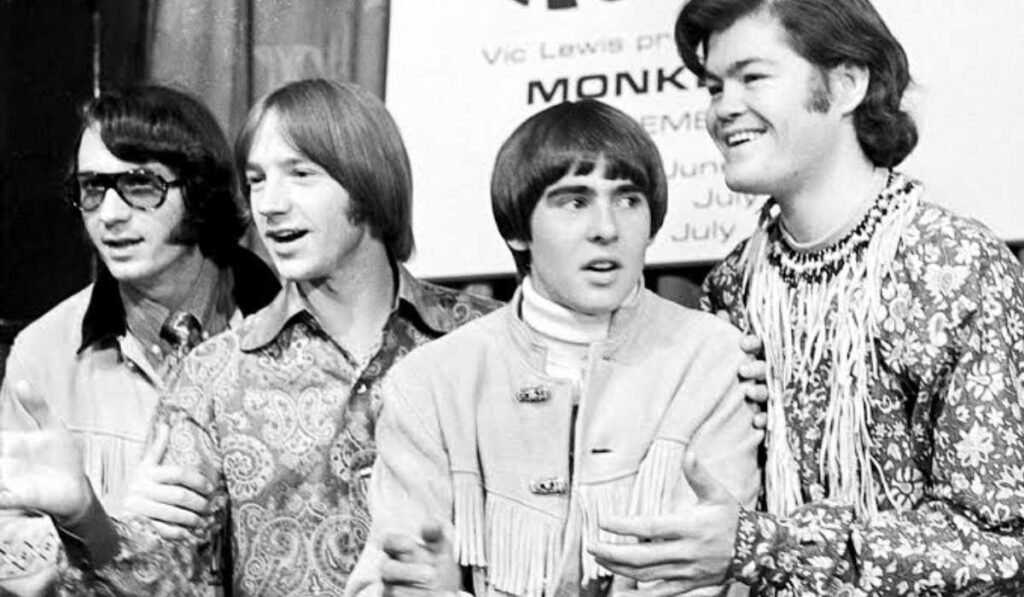
Once the show debuted in 1966, the success of The Monkees was instantaneous. Audiences were immediately drawn to the lighthearted, zany, and relatable personalities of the four band members. Davy Jones, often labeled the “cute one,” became the primary focus of fan adoration. The band’s hit singles, such as “Last Train to Clarksville” and “I’m a Believer,” soared to the top of the music charts, selling millions of copies worldwide. This rapid rise to stardom established them as a household name and solidified Davy’s reputation as a top-tier performer who could handle both comedy and music with ease.
Davy Jones as a Pop Culture Icon
Throughout the late 1960s, Davy Jones became a symbol of teen angst and pop-culture romance. His boyish looks and English accent endeared him to a massive audience of young girls, making him one of the most prominent teen idols of the era. He wasn’t just a singer; he was a multifaceted entertainer who appeared on talk shows, variety hours, and magazines. His influence extended beyond music, as he helped shape the fashion and aesthetic of the decade. By embodying the spirit of the era, he left an indelible mark on the landscape of popular entertainment and youth culture.
Musical Contributions and Vocal Style
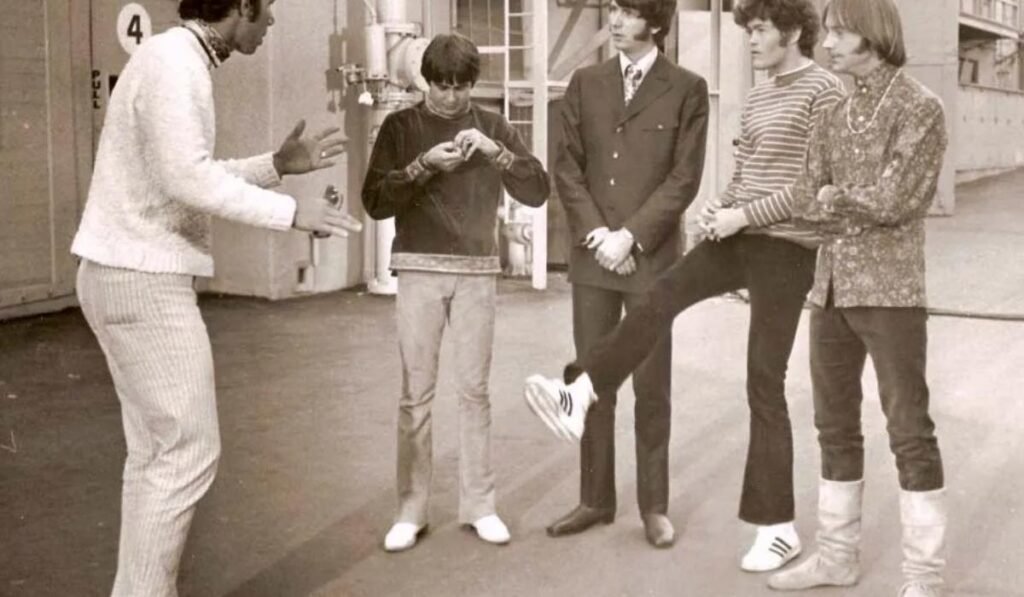
While often criticized for their manufactured origins, the musical talent of the members was often underrated. Davy Jones provided a distinct, melodic vocal style that became the signature sound for hits like “Daydream Believer.” Though he mostly played the tambourine and maracas during live shows, he was a capable musician who could fill in on other instruments when needed. His theatrical training allowed him to deliver lyrics with emotional sincerity and showmanship. Whether performing an upbeat pop anthem or a slower ballad, he possessed an uncanny ability to connect with listeners, making his contributions to their discography timeless.
Navigating the Pressures of Stardom
Life in the spotlight was far from easy for the young star. The grueling schedule of filming the TV show while recording albums in the studio often meant working long hours with little sleep. In his autobiography, he candidly discussed the pressures of maintaining his image and the toll it took on his personal health. Despite these difficulties, he remained dedicated to his craft, often serving as the glue that kept the group together during turbulent times. The pressure of being a “manufactured” star meant he had to work twice as hard to prove his genuine talent to the public.
The Creative Control Conflict
As the fame of the group grew, so did the members’ desire for creative autonomy. The conflict between the band and their producer, Don Kirshner, became a defining chapter in their history. Davy Jones played a pivotal role in this internal struggle, as his backing was necessary for the group to assert their independence. When the band finally took control of their recording process, they produced albums like “Headquarters,” which showcased their true artistic capabilities. This shift was a critical turning point, demonstrating that they were much more than just the “Pre-Fab Four” originally envisioned by their producers.
Memorable Television Appearances and Cameos
Beyond the series itself, Davy Jones’ career was highlighted by numerous high-profile television appearances. One of his most iconic moments occurred in a 1971 episode of “The Brady Bunch,” where he played himself and famously became the dream date for Marcia Brady. These types of cameos cemented his status as a nostalgic figure for subsequent generations. He appeared in various shows, including “Sabrina the Teenage Witch” and “Boy Meets World,” proving that he could maintain his popularity long after the initial craze had subsided. His willingness to laugh at himself kept him relevant in the eyes of the public.
The Influence of the Film Head
The 1968 feature film “Head” was a surreal, experimental departure from the sitcom format that defined the early career of The Monkees. Although it was a box-office disappointment at the time, it is now considered a cult classic that showcased the band’s desire to break away from their manufactured image. Davy Jones played a significant role in the film, contributing to its psychedelic and montage-heavy aesthetic. While it signaled the end of their peak mainstream popularity, it remains a bold artistic statement that highlights the group’s willingness to challenge expectations and redefine their legacy as more than just a TV band.
Life After the Initial Split
When the group finally disbanded in the early 1970s, Davy Jones focused on his solo career and theatrical pursuits. He released solo albums and continued to perform in stage musicals across the globe. Transitioning from a teen idol back to a working actor required immense resilience and humility. He never lost his love for performing, often stating that he felt most at home on stage. Whether he was starring in a production of “Oliver!” or touring small venues with his own band, he remained an active entertainer who was deeply appreciative of his dedicated fanbase.
The Impact of the Reunion Tours
The 1986 revival of interest in the band led to a massive, highly successful reunion tour that reintroduced their music to a new generation. Davy Jones, along with his bandmates, hit the road to play for millions of cheering fans. These tours were more than just nostalgia; they were a validation of the group’s lasting influence. Seeing the energy that he still brought to the stage in his later years, it was clear that he had never lost the spark that made him a superstar in the first place. He embraced his past and the fans who had stuck by him.
Charitable Work and Personal Interests
Outside of his career, Davy Jones was a man of diverse interests and a big heart. He was an avid lover of horses and even maintained a stable of thoroughbred racehorses in Pennsylvania. This passion harkened back to his early days as a jockey apprentice in England. Additionally, he participated in many charitable events, using his fame to support causes he believed in. His philanthropic efforts, often quiet and behind the scenes, reflected his character as someone who cared deeply for others. This human side of the performer further endeared him to those who were fortunate enough to meet him.
Memories of His Co-stars
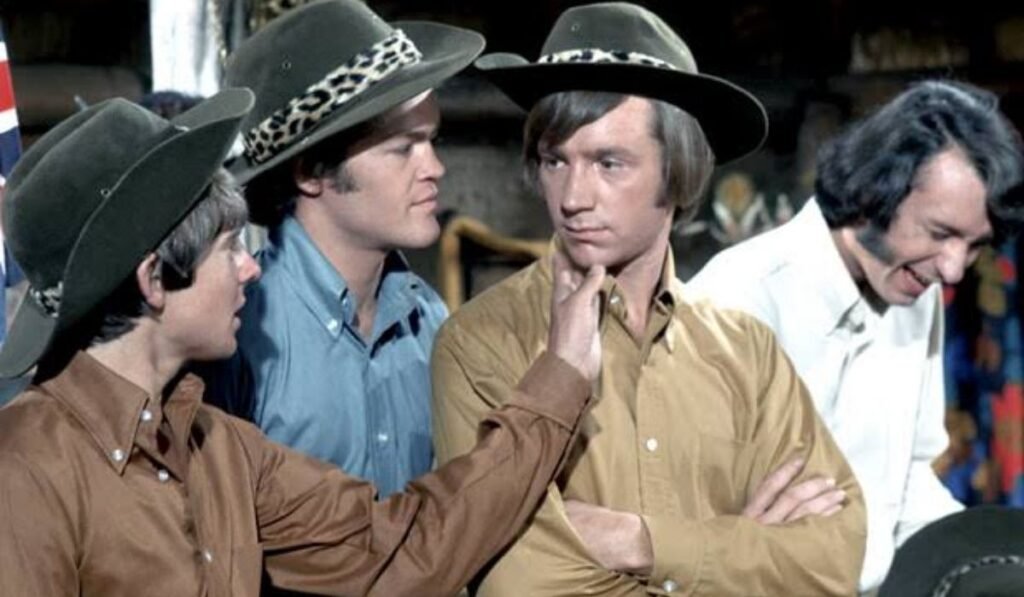
The relationships between the members of the group were complex, ranging from collaborative to occasionally strained. Despite the ups and downs, his bandmates often spoke highly of his talent and work ethic. Peter Tork and Micky Dolenz often recalled the immense pressure Davy carried as the group’s focal point. Even after the group split, the mutual history they shared created an unbreakable bond. The reminiscences of his co-stars highlight not just the professional success they achieved together, but also the personal growth they experienced as they navigated the strange world of being manufactured icons.
The Enduring Appeal of Their Music
Decades after the series ended, the music of the group continues to find new listeners. Songs like “Daydream Believer” and “I’m a Believer” have become pop culture staples, covered by countless artists and featured in numerous films and commercials. The timeless quality of these tracks is a testament to the high-quality songwriting and production that the group had access to. Davy Jones, as the voice of many of these hits, remains the face of this musical legacy. His performance style, marked by a sincerity that transcended the sitcom nature of their origin, remains the key to their popularity.
Philosophical Views on Fame
In his later years, Davy Jones was remarkably reflective about his journey through fame. He understood that being a part of the group was a role he was cast in, but he also embraced the love that fans had for him. He often spoke about the importance of being an entertainer and the joy he received from performing. He was a man who accepted his history without bitterness, recognizing the unique platform it gave him to do what he loved most. His perspective on his life and career serves as a lesson in gratitude and the pursuit of one’s passions.
His Final Years and Legacy
The sudden passing of Davy Jones in 2012 came as a shock to fans around the world. At the age of 66, he was still active, touring and meeting with fans. His death marked the end of an era, but his influence continued to grow in the years that followed. Today, his legacy is celebrated through documentaries, books, and the continued popularity of the music he helped create. He will always be remembered as the charismatic English boy who captured the hearts of a generation and whose charm remains as bright as ever to those who discover his work today.
Remembering a True Performer
Davy Jones was more than just a “Monkee”; he was a gifted singer, actor, and showman who left an indelible mark on the history of rock and pop. His ability to entertain, his dedication to his fans, and his enduring screen presence ensured that he would never be forgotten. As we look back at the 1960s, it is impossible to ignore the contribution he made to the cultural landscape. His story is one of talent, perseverance, and the timeless nature of music that can bring people together across generations, ensuring his status as a true legend of the industry.
Further Exploration of His Life
For those interested in learning more about the life and career of this influential figure, there is a wealth of information available. From his early theater days in London to his time with the band that defined a generation, his journey is one worth studying. Engaging with his discography and watching episodes of the series provides a glimpse into the magic that made him a superstar. For a deeper understanding of his contributions and the broader context of his career, you can read more at Davy Jones musician.
FAQs
- What was the first band Davy Jones was a part of?
- Before his fame as a solo performer and Monkee, he appeared on stage in musicals like Oliver!.
- Did Davy Jones play any instruments?
- Yes, while he was primarily a singer, he played the tambourine, maracas, and occasionally bass guitar or drums during live performances.
- How did Davy Jones join the band?
- He was the only member already under contract with Screen Gems, making him the first and most logical choice for the production.
- What was the most popular song featuring his lead vocals?
- “Daydream Believer” is widely considered his most famous and enduring hit with the group.
- Did the band members get along?
- Their relationships were professional and often close, though they faced creative conflicts regarding the direction and control of their music.