

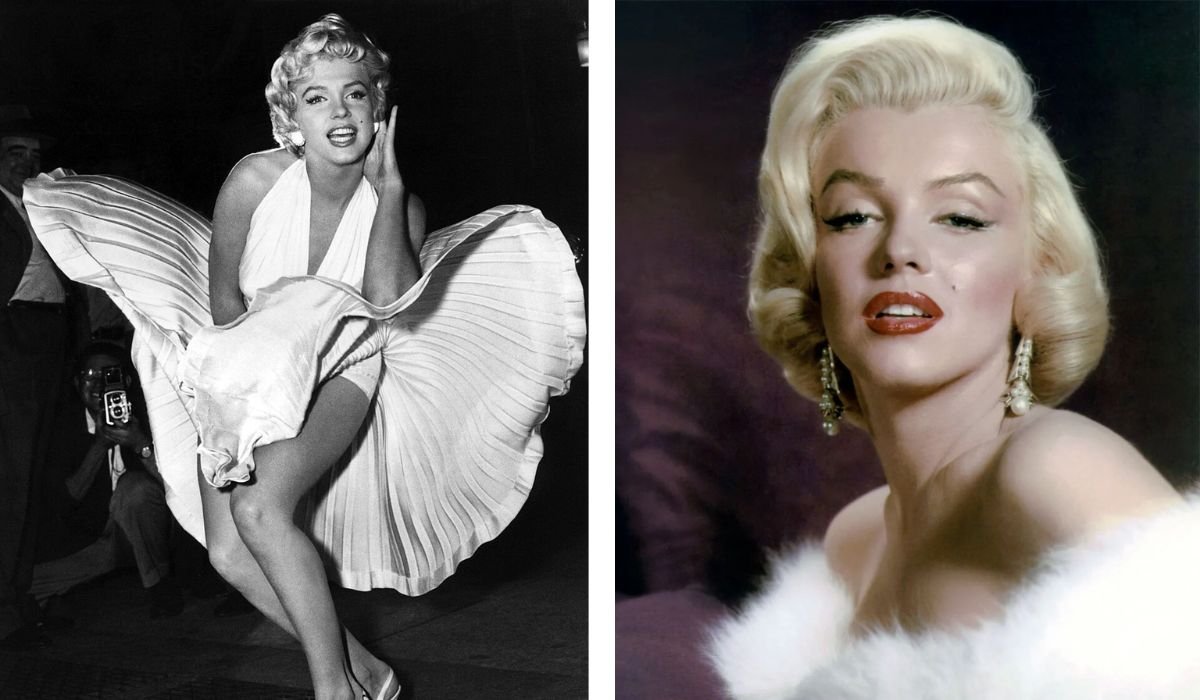
The captivating journey of Marilyn Monroe remains an eternal subject of fascination, embodying the ultimate paradox of dazzling global stardom and profound personal vulnerability. Born as Norma Jeane Mortenson in Los Angeles, California, she rose from a troubled foster-care childhood to become the definitive sex symbol of the twentieth century. Beyond the breathtaking glamour and iconic white dress imagery, her innate comedic talent and fierce ambition often went underrated by contemporary critics. Examining the multi-faceted existence of Marilyn Monroe reveals how a fragile orphan engineered a legendary persona that continues to define modern popular culture and cinematic history.
Quick Bio
- Full Name: Norma Jeane Mortenson (Later legally Marilyn Monroe)
- Date of Birth: June 1, 1926
- Place of Birth: Los Angeles, California, USA
- Profession: Actress, Model, and Singer
- Key Achievement: Golden Globe Award-winning Hollywood icon and global pop culture symbol
- Date of Passing: August 4, 1962
A Troubled Childhood and Early Years in Foster Care
Growing up amid a chaotic domestic environment deeply shaped the early emotional landscape of Marilyn Monroe long before she entered the entertainment spotlight. With a mother struggling with severe mental illness and an absent father, young Norma Jeane bounced through a succession of foster homes and an orphanage. This unstable upbringing fostered a deep-seated insecurity and an intense craving for love and acceptance that followed her throughout her adult life. Despite these overwhelming hardships, Marilyn Monroe developed a rich inner fantasy life and a quiet determination to escape poverty and achieve extraordinary success.
Transitioning From Factory Worker to Pin-Up Model

The path to stardom began unexpectedly when Marilyn Monroe was discovered working in a wartime munitions factory by an army photographer documenting female contributions. Her striking photogenic qualities and natural radiance quickly caught the attention of modeling agencies, leading to a flurry of magazine cover appearances. Adopting lighter blonde hair and soft styling, the aspiring model transformed into a favorite pin-up girl for American servicemen overseas. This early photographic success gave Marilyn Monroe crucial confidence in front of the camera, laying the foundational groundwork for her eventual transition into motion picture acting.
Signing With Studios and Finding Her Cinematic Voice
Entering the rigid Hollywood studio system presented massive hurdles as Marilyn Monroe navigated initial contract rejections and minor bit parts in early films. Studios initially struggled to categorize her unique blend of innocence and sensuality, casting her in decorative supporting roles that offered little room for dramatic expression. Refusing to be discouraged, Marilyn Monroe took intensive acting classes and cultivated a distinctive breathy vocal delivery and breathless screen persona. Her relentless persistence eventually paid off when breakout performances caught the attention of major directors, signaling the arrival of a major new star.
Captivating Audiences in Niagara and Gentlemen Prefer Blondes

A major turning point in her career occurred when Marilyn Monroe starred in the dark thriller Niagara, showcasing her dramatic range alongside her undeniable visual appeal. Shortly thereafter, her comedic brilliance shone brightly in Gentlemen Prefer Blondes, where her iconic performance of Diamonds Are a Girl’s Best Friend mesmerized global audiences. These back-to-back hits cemented the star power of Marilyn Monroe as a bankable box-office powerhouse who could effortlessly balance glamour, humor, and magnetic screen presence. Hollywood studios finally recognized that Marilyn Monroe was an irreplaceable cultural phenomenon.
Challenging Studio Norms Through Production Company Ownership
Frustrated by typecasting and low salaries dictated by patriarchal studio executives, Marilyn Monroe made the bold and unprecedented move to break her contract and form her own production company. Teaming up with trusted associates, she successfully fought Warner Bros and Fox for greater creative control and profit participation. This courageous business gamble proved that Monroe was a shrewd businesswoman who understood her true market value. By asserting her independence, Marilyn shattered restrictive industry norms and paved the way for future generations of Hollywood actresses demanding equal professional respect.
Mastering Dramatic Depth at the Actors Studio

Determined to shed the limiting dumb blonde label imposed by media critics, Marilyn relocated to New York City to study serious method acting under Lee Strasberg. Immersing herself among theatrical intellectuals, Monroe sought to heal her performance insecurities and tap into authentic emotional depths. Directors who worked with her during this period noted a profound transformation in her emotional concentration and character interpretation. This dedication to her craft allowed Marilyn Monroe to deliver nuanced, deeply moving performances that proved her capabilities stretched far beyond mere physical beauty and comedic timing.
Triumphing in The Seven Year Itch and Iconic Subway Grate
One of the most recognizable cultural images of the twentieth century features Marilyn standing above a New York subway vent in her billowing white dress. The film, The Seven Year Itch, became a massive commercial triumph, showcasing her unmatched comedic timing and playful innocence. While the famous publicity stunt created marital friction in her personal life at the time, it permanently etched Monroe into global folklore. The unforgettable scene remains a defining visual shorthand for the golden age of Hollywood glamour and the enduring allure of Marilyn Monroe.
Winning Critical Acclaim in Bus Stop
Delivering what many film historians consider her finest dramatic performance, Marilyn Monroe stunned skeptics by portraying a weary saloon singer in the gritty western drama Bus Stop. Stripping away much of her glamorous veneer, Marilyn adopted an authentic regional accent and displayed genuine vulnerability on screen. Critics who had previously dismissed her acting talent offered glowing praise, and her work earned a prestigious Golden Globe nomination. This critical milestone validated the tireless artistic efforts of Monroe to be recognized as a serious, accomplished dramatic actress.
Collaborating With Legends in Some Like It Hot
The comedic peak of her cinematic career arrived when Marilyn Monroe starred alongside Tony Curtis and Jack Lemmon in Billy Wilder’s cinematic masterpiece Some Like It Hot. Despite well-documented challenges on set regarding memory retention and anxiety, Marilyn Monroe delivered a sparkling, luminous performance that anchored the entire film. The movie achieved legendary status, later being voted the greatest comedy film of all time by major critics’ associations. The effortless charm displayed by Marilyn Monroe in this classic comedy remains a masterclass in screen timing and lovable comedic vulnerability.
Navigating High-Profile Romances and Marriages
The turbulent personal life of Marilyn Monroe was subject to intense public scrutiny, marked by three high-profile marriages to sports star Joe DiMaggio and playwright Arthur Miller. Each relationship reflected her desperate search for emotional stability and intellectual partnership amidst a dizzying world of fame. Unfortunately, intense media intrusion, conflicting career ambitions, and personal struggles strained these unions, leading ultimately to heartbreaking dissolutions. Despite these marital heartbreaks, the romantic idealism of Marilyn Monroe never truly faded, leaving her searching for a safe harbor until her final days.
Channeling Art and Politics in The Misfits
Written specifically for her by her then-husband Arthur Miller, the poignant drama The Misfits offered Marilyn Monroe a chance to explore raw emotional themes alongside legendary co-star Clark Gable. Filmed under brutal desert conditions in Nevada, the production tested the physical and emotional endurance of Marilyn Monroe to its absolute limits. Tragically, this movie would stand as the final completed film for both Marilyn Monroe and Clark Gable. Their haunting performances on screen captured a poignant melancholy, reflecting the internal struggles and fragile spirits of both legendary actors.
Cultivating Lasting Friendships and Humanitarian Interests
Beyond her silver screen persona, Marilyn Monroe possessed a sharp intellect, a deep love for literature, and a genuine passion for humanitarian and civil rights causes. She maintained close friendships with prominent literary figures, artists, and civil rights activists, frequently using her fame to advocate for equality and support charitable endeavors. Behind closed doors, Marilyn Monroe was an avid reader who amassed an extensive personal library filled with poetry, philosophy, and history. This intellectual curiosity of Marilyn Monroe challenged the shallow public perception held by fans and media outlets alike.
Delivering the Legendary Birthday Tribute to the President
A cultural milestone occurred when Marilyn Monroe made a breathtaking public appearance at Madison Square Garden to sing Happy Birthday to President John F. Kennedy. Dressed in a sheer, rhinestone-encrusted gown that later became legendary, her sultry and whispered delivery captivated the entire nation. This iconic television moment sparked massive media speculation and cemented the status of Marilyn Monroe at the absolute intersection of Hollywood glamour and American political power. The sheer audacity and magnetism of Marilyn Monroe during this evening remains etched in American pop culture memory.
Facing Personal Demons and Industry Pressures
Beneath the glittering facade of immense wealth and global adoration, Marilyn Monroe battled severe insomnia, chronic anxiety, and heavy dependence on prescription medications. The immense pressure exerted by movie studios, coupled with intrusive paparazzi and failed relationships, severely impacted the mental health of Marilyn Monroe. She frequently sought psychiatric help, yet found herself trapped within a gilded cage of celebrity expectation. The heartbreaking vulnerability of Marilyn Monroe highlighted the dark, destructive side of mid-century fame and the heavy toll it takes on sensitive souls.
Sudden and Tragic Passing That Shocked the World
The untimely death of Marilyn Monroe in August nineteen sixty-two at her Los Angeles home plunged the global community into deep shock and immediate mourning. Authorities ruled her passing as an acute barbiturate poisoning, though the sudden nature of the event triggered decades of conspiracy theories and public speculation. Millions of fans worldwide felt a personal loss, recognizing that a bright, irreplaceable light had been extinguished far too soon. The tragic exit of Marilyn Monroe marked a somber end to an era of classic Hollywood innocence and mythical cinematic stardom.
Inspiring Generations of Artists and Fashion Icons
Decades after her passing, the cultural footprint of Marilyn Monroe continues to influence modern fashion, music, photography, and contemporary art movements globally. Superstars ranging from Madonna and Andy Warhol to Lady Gaga have drawn direct inspiration from the timeless aesthetic and persona of Marilyn Monroe. Her distinct visual markers—platinum curls, beauty mark, and radiant smile—remain ubiquitous across commercial advertising and high-fashion runways. The enduring legacy of Marilyn Monroe proves that true icons transcend mortal lifespans to become immortal symbols of style.
Preserving the Myth and Memorabilia Through Auctions
The fascination with the life and belongings of Marilyn Monroe remains remarkably vibrant, driving massive collector interest at international auction houses today. Personal items, including her movie costumes, handwritten journals, and jewelry, command millions of dollars from devoted admirers and museum curators alike. These high-profile sales demonstrate that public affection for Marilyn Monroe has never waned over the decades. Preserving these historical artifacts ensures that future generations can study and appreciate the material reality behind the mesmerizing myth of Marilyn Monroe.
The Eternal Legacy of Hollywood’s Greatest Star
Ultimately, the enduring narrative of Marilyn Monroe transcends the tragic circumstances of her death, celebrating instead a magnificent life of resilience, artistry, and unmatched charisma. She managed to transform personal pain into captivating screen magic that continues to resonate with audiences across every continent. Scholars and fans alike continue to analyze the complex cultural footprint left by Marilyn Monroe in search of the real woman behind the myth. Through her unforgettable films and luminous photographs, the eternal spirit of Marilyn Monroe lives on forever.
FAQs
- What was the original birth name of Marilyn Monroe?
- Norma Jeane Mortenson was her birth name before she adopted her famous professional pseudonym.
- Which movie features Marilyn Monroe singing Diamonds Are a Girl’s Best Friend?
- Gentlemen Prefer Blondes is the classic musical film featuring that iconic musical performance.
- Did Marilyn Monroe receive formal training to improve her acting skills?
- Yes, she studied method acting intensely under Lee Strasberg at the famous Actors Studio in New York City.
- What were some of the major awards and recognition she achieved during her career?
- She won a Golden Globe Award and earned critical acclaim for dramatic roles in films like Bus Stop.
- When and under what circumstances did Marilyn Monroe pass away?
- She passed away on August 4, 1962, in her Los Angeles home due to acute barbiturate poisoning.