

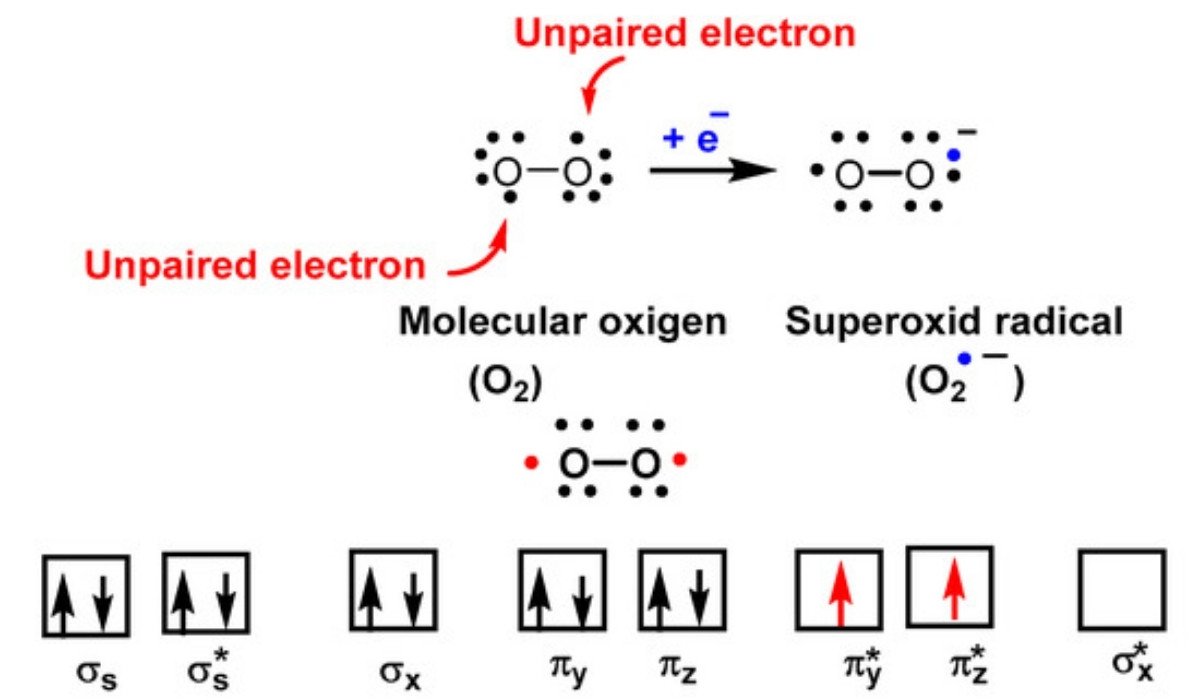
superoxide is a reactive oxygen species that plays a critical role in biological systems, chemistry, and environmental reactions. It is formed when oxygen gains an extra electron, producing a negatively charged molecule known as O₂⁻. Although naturally produced in living organisms, it is highly reactive and can contribute to oxidative stress when present in excess. Scientists study it extensively because it is involved in immune defense, cellular signaling, and damage to biomolecules such as DNA, proteins, and lipids. Understanding this molecule is essential in fields like biochemistry, medicine, and environmental science.
| Quick Bio | Details |
| Name | Superoxide (O₂⁻) |
| Type | Reactive Oxygen Species |
| Charge | Negative ion |
| Formation | Oxygen reduction |
| Biological Role | Signaling & defense |
| Risk | Oxidative stress |
| Study Fields | Biochemistry, Medicine, Biology |
| Stability | Highly reactive |
Chemical Nature of Superoxide
The structure of superoxide is based on molecular oxygen that has gained an extra electron, resulting in a negatively charged radical ion. This change in electron configuration makes it highly reactive compared to stable oxygen. It participates in redox reactions and can easily interact with other molecules in biological systems. Its chemical instability means it often transforms into other reactive oxygen species. Understanding its molecular structure helps scientists study its role in both beneficial and harmful biochemical reactions within cells and tissues.
Formation in Biological Systems
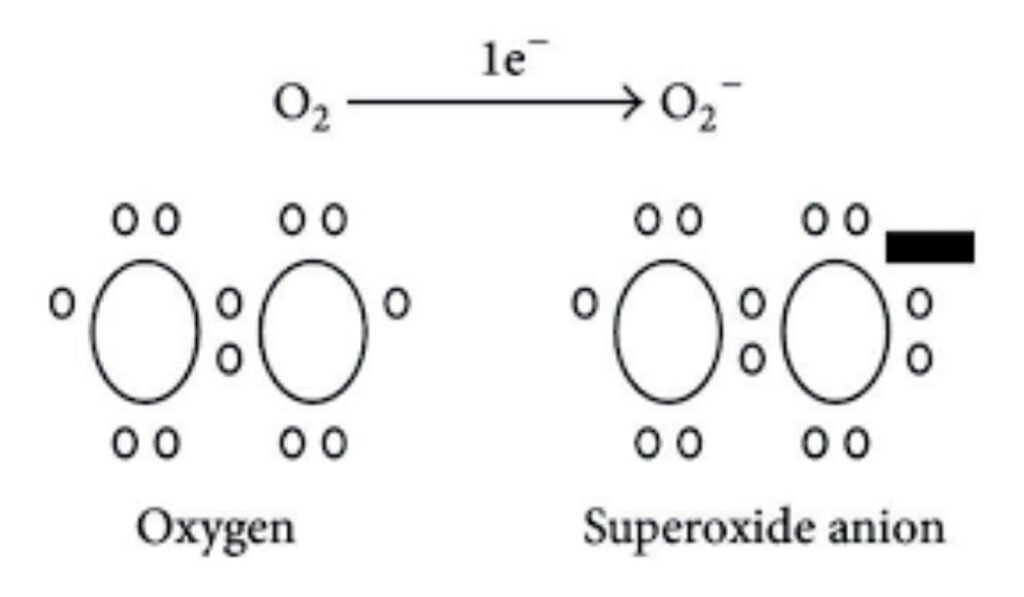
In living organisms, superoxide is primarily generated during normal cellular respiration in mitochondria. When electrons leak from the electron transport chain, they can prematurely react with oxygen, forming this reactive molecule. It is also produced by immune cells during pathogen defense. Enzymes such as NADPH oxidase contribute significantly to its production. While small amounts are necessary for signaling and defense, excessive production can overwhelm antioxidant defenses, leading to cellular damage and disease development.
Role in Cellular Respiration
During energy production, superoxide is formed as a byproduct of oxidative phosphorylation. Mitochondria generate ATP by transferring electrons through protein complexes, but occasional leakage leads to incomplete oxygen reduction. This creates reactive oxygen species, including superoxide. Although considered a byproduct, it plays a role in cellular signaling pathways. Cells carefully regulate its levels using antioxidant enzymes. Proper balance is essential, as disruptions can impair energy metabolism and increase oxidative damage within cells.
Superoxide in Immune Defense
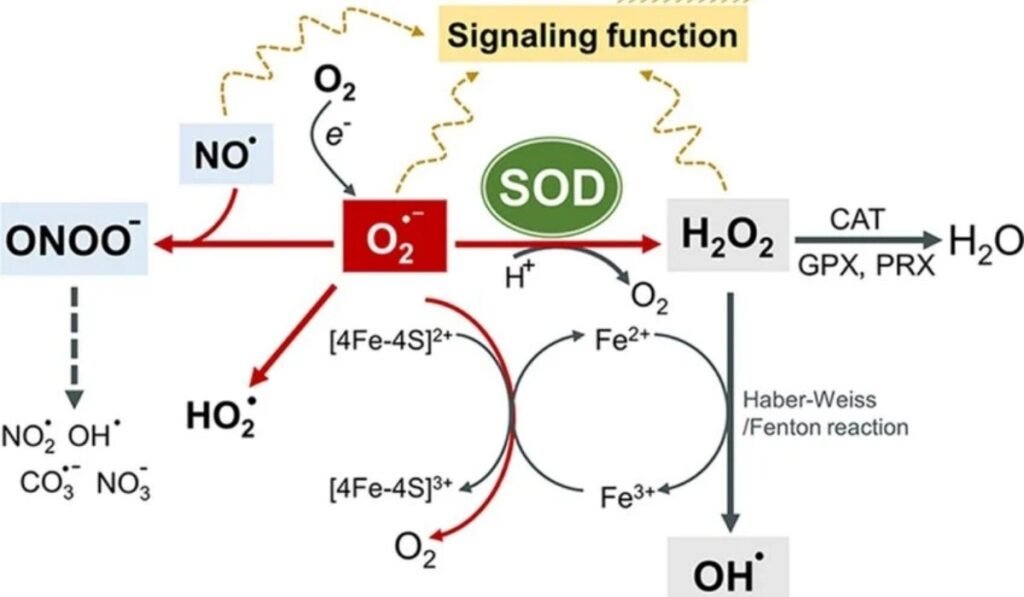
The immune system uses superoxide as part of its defense mechanism against pathogens. White blood cells, especially neutrophils and macrophages, produce it during a process called the respiratory burst. This helps destroy invading bacteria and viruses. The reactive nature of superoxide allows it to damage microbial structures, contributing to immune protection. However, excessive production must be controlled, as it can also harm surrounding healthy tissues. This dual role highlights its importance in both protection and potential cellular injury.
Superoxide and Oxidative Stress
Excess levels of superoxide contribute to oxidative stress, a condition where reactive oxygen species overwhelm the body’s antioxidant defenses. This imbalance leads to damage in cellular components such as lipids, proteins, and DNA. Oxidative stress is linked to aging, inflammation, and various chronic diseases. Cells rely on enzymes like superoxide dismutase to neutralize excess reactive molecules. Maintaining balance between production and elimination is essential for cellular health and overall biological stability.
Superoxide Dismutase Function
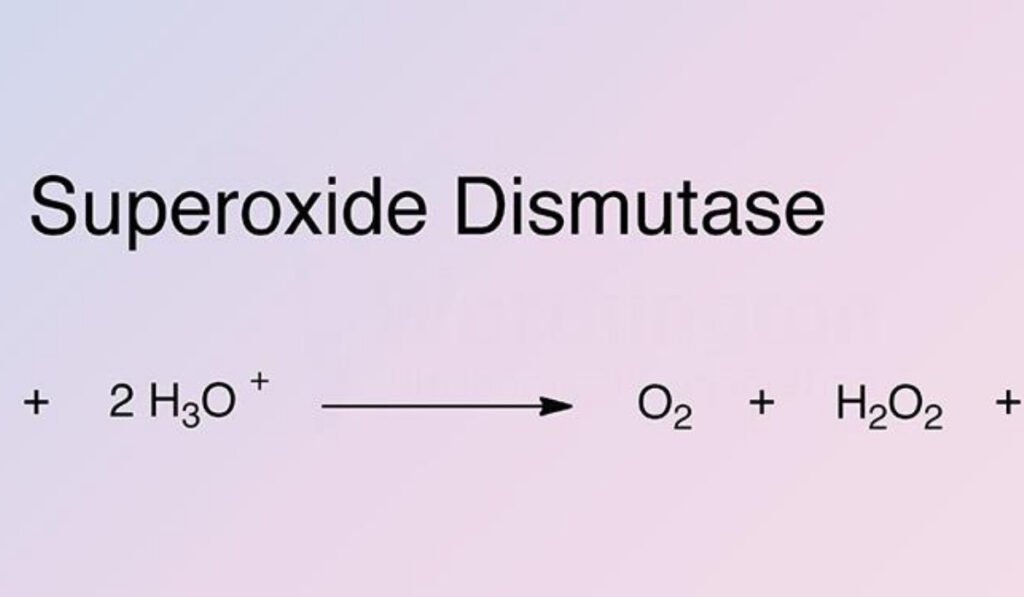
One of the most important enzymes related to superoxide regulation is superoxide dismutase (SOD). This enzyme converts superoxide into hydrogen peroxide and oxygen, reducing its harmful effects. SOD exists in multiple forms within different cellular compartments, including mitochondria and cytoplasm. It plays a crucial role in protecting cells from oxidative damage. Without this enzymatic defense, cells would experience severe oxidative stress, leading to dysfunction and disease progression over time.
Impact on DNA Damage
High levels of superoxide can cause significant damage to DNA molecules. It can modify nucleotide bases and break DNA strands, leading to mutations. Such damage, if not repaired, may contribute to aging and cancer development. Cells possess repair mechanisms to correct oxidative damage, but excessive stress can overwhelm these systems. Understanding this process is important in medical research, especially in studying genetic disorders and diseases linked to oxidative stress.
Lipid Peroxidation Effects
Cell membranes are highly vulnerable to superoxide-induced lipid peroxidation. This process damages polyunsaturated fatty acids in cell membranes, leading to loss of membrane integrity. As a result, cells may become dysfunctional or die. Lipid peroxidation also produces secondary reactive compounds that can further damage cellular structures. This chain reaction is a major contributor to tissue injury in conditions such as cardiovascular disease and neurodegeneration.
Protein Oxidation Mechanisms
Proteins are also targets of superoxie activity. Oxidation can alter protein structure and function, affecting enzymes, receptors, and structural proteins. These changes may disrupt cellular signaling and metabolism. Protein oxidation is reversible in some cases, but prolonged exposure leads to irreversible damage. This process is associated with aging and several degenerative diseases. Cells rely on repair systems and antioxidants to minimize these harmful effects.
Superoxide in Mitochondrial Function
Mitochondria are both a source and target of superoide. While they produce it during energy generation, excessive accumulation can damage mitochondrial DNA and proteins. This impairment reduces energy efficiency and increases cellular stress. Mitochondrial dysfunction is linked to aging and many chronic diseases. Cells must maintain strict control over reactive oxygen species to ensure proper mitochondrial performance and energy balance.
Antioxidant Defense Systems
Cells protect themselves from superoxde using antioxidant systems. These include enzymes like superoxide dismutase, catalase, and glutathione peroxidase. Together, they neutralize reactive oxygen species and prevent damage. Non-enzymatic antioxidants such as vitamin C and vitamin E also contribute to protection. A balanced antioxidant system is essential for maintaining cellular health and preventing oxidative stress-related diseases.
Superoxide in Inflammation
Inflammatory responses often involve increased production of superoxide. Immune cells release reactive oxygen species to fight infection, but excessive inflammation can cause tissue damage. Chronic inflammation is linked to diseases such as arthritis, diabetes, and cardiovascular disorders. Understanding the role of superoxde in inflammation helps researchers develop treatments that reduce oxidative damage while maintaining immune defense.
Environmental Sources
Outside biological systems, superoxide can also form in environmental reactions involving oxygen, light, and pollutants. It may appear in water systems, atmospheric chemistry, and industria processes. These reactions contribute to environmental oxidative processes that affect air and water quality. Studying environmental superoxde formation helps scientists understand pollution effects and chemical transformations in nature.
Superoxide in Aging Processes
Aging is closely linked to the accumulation of damage caused by superoxide and other reactive oxygen species. Over time, cellular repair systems become less efficient, leading to increased oxidative stress. This contributes to aging signs such as tissue degeneration and reduced organ function. Research into antioxidants and mitochondrial health aims to slow these processes and improve longevity.
Role in Neurodegenerative Diseases
Excess superoxide has been associated with neurodegenerative diseases such as Alzheimer’s and Parkinson’s. Neurons are particularly sensitive to oxidative stress due to their high energy demands. Damage caused by reactive oxygen species can impair brain function and lead to cognitive decline. Understanding this relationship is important for developing therapies targeting oxidative damage in neurological disorders.
Cardiovascular Implications
The cardiovascular system is also affected by superoxide levels. Excess production can damage blood vessels, promote inflammation, and contribute to atherosclerosis. Oxidative stress plays a key role in heart disease development. Maintaining antioxidant balance is crucial for vascular health and proper circulation. Research continues to explore treatments that reduce oxidative damage in cardiovascular conditions.
Therapeutic Research
Scientists are actively studying ways to control superoxde levels for medical treatment. Antioxidant therapies, enzyme mimetics, and lifestyle interventions are being explored to reduce oxidative stress. These approaches aim to protect cells from damage and improve health outcomes in chronic diseases. Although research is ongoing, targeting reactive oxygen species remains a promising field in medical science.
Laboratory Detection Methods
Detecting superoxide in laboratory settings requires specialized techniques due to its short lifespan. Methods include electron spin resonance, fluorescence probes, and chemiluminescence assays. These tools help researchers study its role in biological and chemical systems. Accurate detection is essential for understanding oxidative stress mechanisms and developing effective treatments.
Industrial and Chemical Applications
In industrial chemistry, superoxide reactions are studied for their role in oxidation processes. It is involved in certain catalytic reactions and environmental engineering applications. Understanding its behavior helps improve chemical manufacturing and pollution control technologies. Its reactivity makes it both useful and challenging in controlled industrial environments.
Future Research Directions
Future studies on superoxide focus on its role in aging, disease prevention, and cellular signaling. Scientists aim to better understand how to balance its beneficial and harmful effects. Advances in biotechnology and medicine may lead to improved antioxidant therapies and diagnostic tools. Continued research will expand knowledge of its complex biological roles.
Conclusion
The study of superoxide reveals its dual nature as both a necessary biological molecule and a potential source of cellular damage. It plays important roles in immune defense, signaling, and energy metabolism while also contributing to oxidative stress when unregulated. Understanding its chemistry and biological impact is essential for advancing medical and scientific research. Maintaining balance in reactive oxygen species remains key to health, aging, and disease prevention.
FAQs
1. What is superoxide?
- A reactive oxygen species formed when oxygen gains an extra electron, playing roles in biology and chemistry.
2. Why is superoxide important in the body?
- It helps in immune defense and cell signaling but can cause damage if produced in excess.
3. How does the body control superoxide?
- Through antioxidant enzymes like superoxide dismutase and other protective molecules.
4. What diseases are linked to superoxide?
- It is associated with aging, cancer, cardiovascular disease, and neurodegenerative disorders.
5. Where is superoxide produced?
- It is mainly produced in mitochondria during cellular respiration and in immune cells during defense responses.