

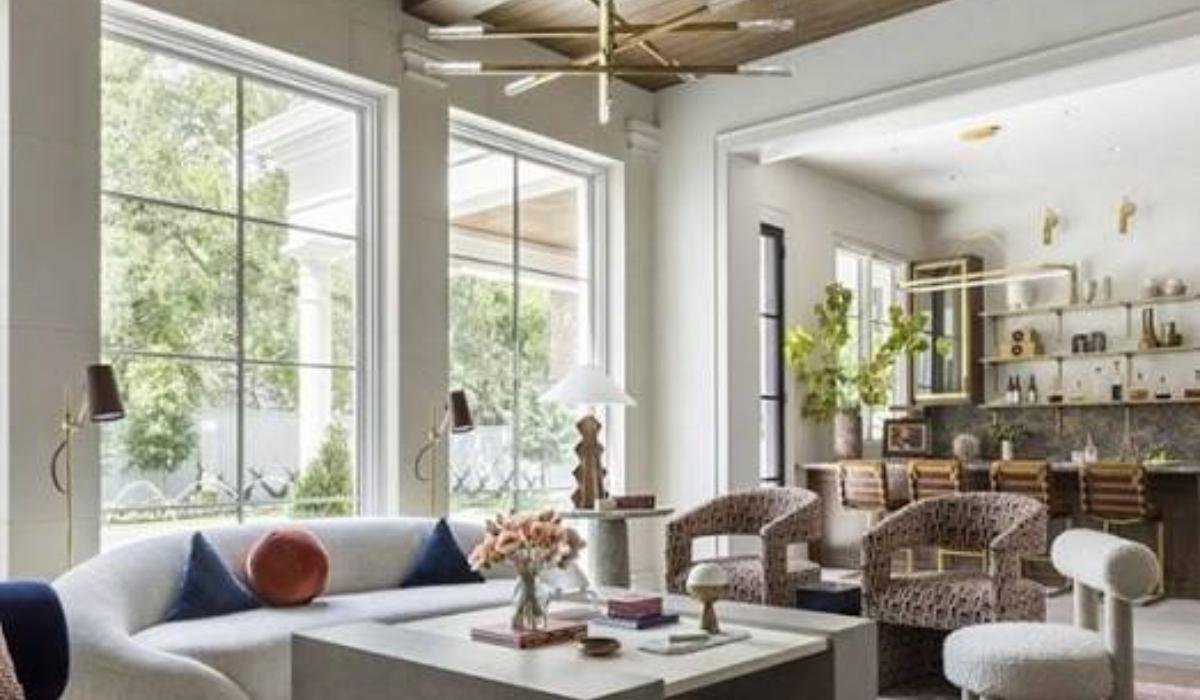
Visual comfort stands as a cornerstone of architectural design, defining how we perceive and interact with our indoor surroundings every single day. At its most fundamental level, it refers to the creation of an environment that facilitates optimal sight while simultaneously minimizing eye strain. By prioritizing proper lighting quality, effective glare reduction, and ergonomic spatial arrangements, designers can ensure that occupants feel at ease. Achieving this state is not merely an aesthetic choice but a necessity for long-term health, as poor lighting conditions frequently contribute to fatigue, headaches, and reduced productivity in both residential and professional settings.
| Metric | Details |
| Primary Goal | Minimize eye strain and enhance sight quality |
| Key Factors | Glare control, illuminance, and light distribution |
| Core Benefit | Improved wellbeing and heightened productivity |
| Design Focus | Natural light integration and ergonomic placement |
The Core Definition of Visual Comfort
Visual comfort represents the successful interplay of light and shadow, allowing the human eye to function without unnecessary struggle or stress. It is not just about the absolute amount of light present in a room, but rather how that light is balanced across the entire field of vision. When a space is designed with this principle in mind, the light feels natural, inviting, and easy on the eyes. Understanding that our vision is highly adaptive allows designers to move away from overly uniform brightness and toward a more nuanced, comfortable, and readable environment that supports our daily needs.
Lighting Quality Over Mere Brightness
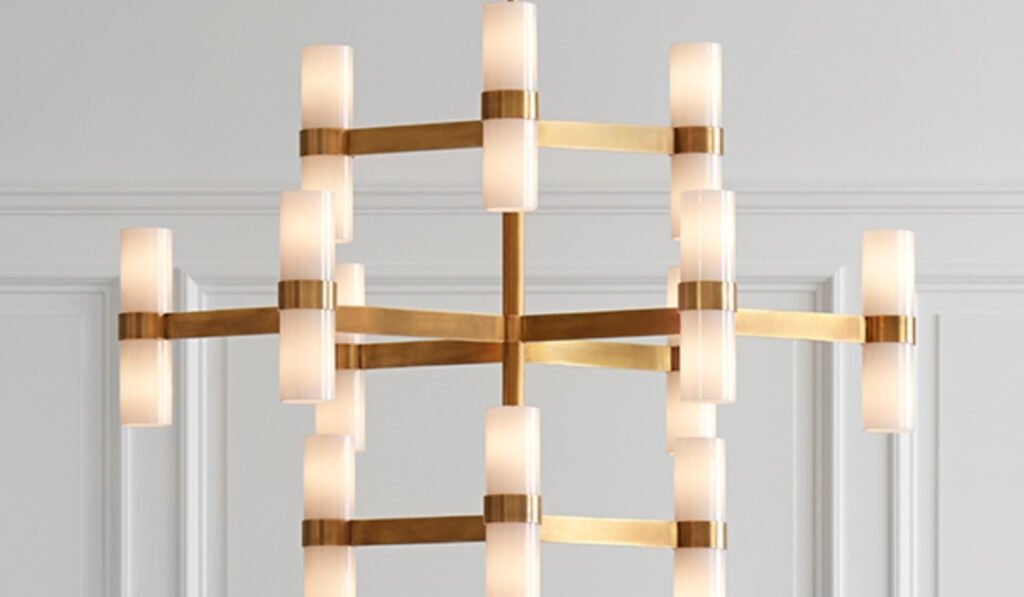
For many decades, the industry standard focused heavily on brightness as the sole indicator of quality. However, modern lighting design increasingly rejects this narrow view in favor of visual comfort. Instead of flooding a space with intense, flat light, experts now emphasize the importance of luminance ratios and contrasts. By carefully managing these variables, we can create spaces that feel layered and professional. High-quality lighting avoids the “washed out” look of excessive homogeneity, ensuring that architectural features remain discernible, which ultimately leads to a much more pleasant experience for the people occupying the building throughout the day.
The Problem with Excessive Glare
Glare is perhaps the most significant enemy of visual comfort in any interior space. It occurs when a light source or its reflection is significantly brighter than the surrounding environment, forcing the eyes to adapt rapidly and causing immediate discomfort. Whether it stems from poorly positioned lamps or unshielded natural sunlight, glare disrupts focus and induces mental fatigue. Effective architectural design must treat glare as a critical quality risk. By using high-performance glazing, strategic blinds, or indirect lighting techniques that illuminate surfaces rather than direct beams, we can keep glare levels low and maintain a calming atmosphere.
The Vital Importance of Natural Daylighting
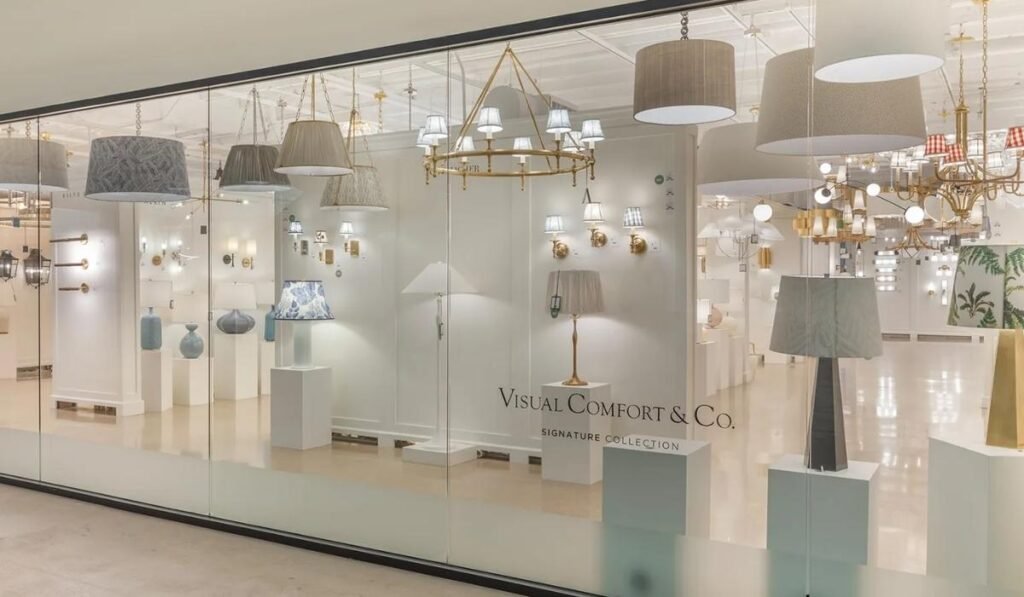
Natural light remains the gold standard for achieving high levels of visual comfort. Humans have evolved to function best under the spectrum of sunlight, which is why windows and skylights are so essential in architecture. Beyond simply providing illumination, daylight changes throughout the day, which helps regulate our circadian rhythms and boosts our mood. However, relying on natural light requires precision. Designers must evaluate the orientation of a building to ensure sunlight provides gentle illumination without causing overheating or blinding glare, creating a space that feels vibrant, open, and profoundly connected to the outdoors.
Ergonomics and Human-Centric Design
When we discuss visual comfort, we must also consider the furniture and equipment that occupy our spaces. Ergonomics plays a key role here; for instance, the positioning of computer screens relative to windows can drastically impact how much strain a user feels. By keeping monitors away from direct glare paths and utilizing task lighting that can be adjusted to individual preferences, we support better posture and visual ease. Integrating ergonomic design into our daily routines reduces the physical impact of working at desks, allowing users to remain comfortable and focused for much longer periods throughout their busy workdays.
Understanding the Role of Contrast

Contrast is a powerful tool when used correctly to enhance visual comfort. While harsh, sharp contrasts can lead to eye fatigue as the eye struggles to refocus, moderate contrasts help define the hierarchy of a room. By using light to highlight vertical surfaces or room edges, designers can guide the eye and make a space feel more readable. This approach supports spatial perception and security, as occupants can easily orient themselves within a room. The goal is to avoid flatness while also avoiding visual chaos, maintaining a delicate, pleasing balance of light distribution.
The Impact of Color Temperature
The choice of light source color temperature significantly alters how we perceive visual comfort. Warm-toned lights often feel cozy and welcoming, making them ideal for living areas or hospitality settings, while cooler temperatures tend to improve focus and alertness. This makes color temperature a vital consideration for different types of environments. By being intentional about these choices, designers can evoke specific moods and support the intended activities of a space. Smart lighting solutions now allow users to adjust these temperatures dynamically, ensuring that the room feels just right for any time of day or task.
Task Lighting for Precision Work
In spaces where detailed work is performed, such as kitchens, home offices, or workshops, general ambient lighting is rarely sufficient on its own. Task lighting becomes the primary method for maintaining visual comfort by providing focused illumination where it is needed most. Whether it is a desk lamp, a pendant over a kitchen island, or under-cabinet lights, these focused sources prevent the need for the rest of the room to be dangerously bright. By layering lighting, we ensure that the specific area of activity is well-lit, reducing eye strain and increasing safety during complex, visually intensive projects.
The 20-20-20 Rule for Digital Health
In an era dominated by electronic screens, maintaining visual comfort often requires personal habits that complement good design. The 20-20-20 rule is a highly effective strategy: every 20 minutes, take 20 seconds to look at an object at least 20 feet away. This simple action allows the eye muscles to relax and refocus after intense periods of screen use. Within a well-designed office, this can be supported by incorporating “moments for the gaze,” such as art, textured walls, or indoor plants, which provide a soothing focal point to help eyes rest and recover.
Measuring Success in Lighting Design
How do we know if we have achieved true visual comfort? It is not just about a single measurement, but rather a combination of metrics like lux levels, glare ratings, and occupant feedback. The European Standard for Daylighting, for example, provides specific criteria to ensure spaces are bright enough for productivity without being uncomfortable. Professionals use light meters and luminance meters to test these environments, ensuring that light is distributed evenly and effectively. By relying on data alongside human experience, architects can create environments that consistently perform well and meet the diverse needs of their users every day.
Layered Lighting Strategies
A truly comfortable room usually employs three distinct layers of light: ambient, task, and accent. Ambient light provides the base level of brightness, ensuring the room is navigable and welcoming. Task lighting handles the heavy lifting for reading or working. Finally, accent lighting highlights specific features or artwork, adding depth and interest to the design. By blending these layers, designers avoid the monotony of a single light source. This strategy enhances visual comfort by allowing for flexibility and control, ensuring that the light in a room can adapt to changing needs as the day progresses.
Smart Solutions for Adaptive Lighting
Technological advancements have made it easier than ever to maintain visual comfort automatically. Smart lighting systems can adjust brightness and color temperature based on the time of day, occupancy, or even the amount of natural light coming through the windows. This responsiveness ensures that a space always feels optimized for human needs without requiring constant manual adjustment. These systems not only conserve energy but also support health by mimicking the natural progression of daylight, keeping users more alert during the day and allowing for a more relaxed, calming environment in the evening hours.
The Emotional Connection to Light
Beyond physical performance, lighting design taps into our emotions, significantly impacting how we feel in a space. A bright, expansive light can make a gym feel energetic and motivating, while softer, warmer lighting in a bedroom promotes rest and relaxation. Understanding this psychological dimension is crucial for visual comfort. When light is intentionally curated, it communicates clarity, place, and purpose. It transforms a room from a functional box into an experiential narrative, proving that the most successful designs are those that feel “right” to the occupant on an emotional level.
Integrating Light into Architecture
Visual comfort should be an embedded, fundamental aspect of the building process, not an afterthought. When architects treat light as a material in its own right—like wood or stone—they create spaces that are intrinsically more enjoyable. This involves thinking about the building envelope, the placement of windows, and the reflective properties of materials used inside. By coordinating these elements early in the planning stage, the final result is a seamless, cohesive space where light is “draped” across forms, elevating our perception and providing a sense of visual ease that lasts for years.
Sustainability and Efficiency
Achieving visual comfort does not have to come at the expense of energy efficiency. In fact, high-quality lighting design often reduces the need for constant, high-wattage artificial lighting. By maximizing natural light through strategic window placement and using efficient LED bulbs that are dimmable, we can create comfortable spaces that are also environmentally friendly. LED technology offers incredible flexibility in color and intensity, making it a perfect partner for modern, sustainable design. This holistic approach benefits both the planet and the people who inhabit our modern buildings, ensuring long-term value for every space we create.
Spatial Readability and Orientation
Visual comfort is closely tied to our ability to read and navigate a space effectively. A room that is too bright or lacks contrast can make it difficult to identify dimensions or transitions, leading to disorientation. Conversely, good lighting uses rhythm and zoning to structure our perception. By highlighting edges and corners, light provides visual cues that help us understand the size and layout of a room. This clarity is vital for safety, particularly in public spaces, where it provides a foundation of both objective and subjective peace of mind for everyone moving through the environment.
The Role of Reflective Surfaces
The materials we choose to decorate with have a profound impact on how light behaves in a room. Highly reflective surfaces like gloss paint or mirrors can create glare if not placed carefully, while matte surfaces tend to absorb and soften the light. By balancing these finishes, designers can control the intensity and distribution of illumination. Mirrors, for instance, can be used to pull natural light deeper into a room, increasing overall visual comfort while making the space appear more open. Paying attention to these textures and finishes is a sophisticated way to manage how we perceive a room.
Designing for Diverse Needs
Not everyone experiences light in the same way, which is why inclusive design is so important. Age, for example, can change how our eyes respond to light, often necessitating higher levels of brightness to achieve the same feeling of comfort as a younger person. By designing for versatility—such as incorporating dimmable lights and adjustable task lamps—we can ensure that a space is comfortable for all. Considering a wide range of human needs makes our environments more resilient and welcoming, reinforcing the idea that visual comfort is a universal requirement for health and happiness.
The Future of Visual Comfort
As we continue to build more complex environments, the focus on visual comfort will only intensify. We are moving toward a future where our buildings are as responsive to our needs as our own bodies. Through continued research into the physiological and psychological effects of light, we can continue to refine how we design our homes, schools, and offices. By placing the human experience at the center of the conversation, we ensure that technology serves us in a way that promotes health, longevity, and a deep, lasting sense of comfort in every interior we occupy.
Final Thoughts on Design Harmony
Ultimately, the pursuit of visual comfort is about finding harmony between the built environment and the human eye. It is a multi-faceted discipline that combines science, art, and empathy to create spaces that feel inherently right. Whether through the clever use of natural light or the precision of smart task lighting, our goal is to improve the quality of human life. As we move forward, let us remember that the best lighting is often the kind we do not notice—the kind that simply allows us to see, feel, and live with total, effortless ease.
- What are the main benefits of achieving visual comfort?
- Ensuring optimal sight, reducing eye strain, improving productivity, and supporting long-term health.
- How does natural light contribute to a space?
- It regulates circadian rhythms, boosts mood, provides the most natural spectrum for our eyes, and enhances general wellbeing.
- Why is glare a significant issue?
- Glare forces the eye to adapt rapidly, causes visual fatigue, headaches, and disrupts our ability to focus on tasks.
- How can I improve lighting in my home office?
- Use layered lighting, position screens away from direct light to avoid glare, and incorporate adjustable task lamps.
- What is the role of contrast in a well-lit room?
- Balanced contrast helps define room edges and spatial hierarchy, making the environment more readable and visually pleasant.