

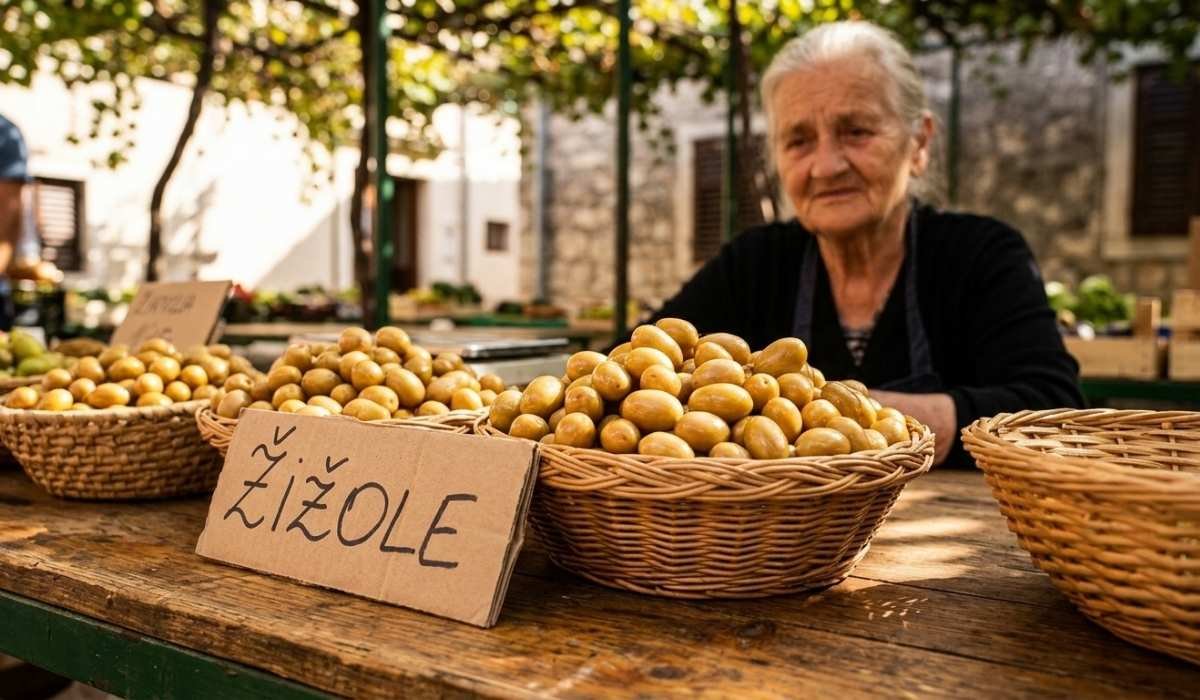
The Mediterranean coastline hosts a variety of unique plant species that have supported local human civilizations for centuries. Among these valuable botanical treasures, the sweet fruit known as žižole stands out due to its exceptional nutritional value and extreme resilience to changing weather conditions. Cultivated widely in regional orchards, these small fruits offer a delightful combination of sweet flavors and dense wellness-boosting properties. As modern agriculture shifts toward sustainable plant options, checking out this hardy shrub provides valuable insights into traditional farming and food production. This introductory analysis establishes a deep foundation for exploring its complete biological profile and historical uses.
| Detail | Information |
| Common Name | Žižole (Jujube / Chinese Date) |
| Scientific Taxonomy | Ziziphus jujuba |
| Plant Family | Rhamnaceae (Buckthorn Family) |
| Fruit Characteristics | Oval drupe, smooth green turning reddish-brown when ripe |
| Native Regions | South Asia, Southern Europe, and Mediterranean Coastlines |
| Primary Applications | Fresh Culinary Consumption, Dried Fruits, Herbal Remedies, Spirits |
The Botanical Origins and Historical Classification of This Red Date
The fascinating history of the traditional žižole plant tracks back thousands of years to ancient agricultural paths across Asian regions. Early trading caravans gradually transported these hardy trees westward toward Mediterranean coastlines, where local growers embraced their unique growing habits. Botanists classify the species under the buckthorn family, noting its distinctive zigzag branches and protective thorns that shield developing fruits. This long-standing historical path highlights how ancient cultures relied heavily on gathering wild fruits to supplement their daily nutritional intake. Today, the plant represents a living link between historic agricultural routes and contemporary sustainable farming.
Agricultural Resilience and Soil Adaptability in Changing Climates

Cultivating healthy orchards requires selected plant species that can withstand severe environmental stressors without suffering total crop failures. The remarkable root structure of the žižole tree penetrates deep into rocky soils, allowing the plant to absorb moisture during long droughts. Growers find that these shrubs thrive in hot Mediterranean summers and survive cold winter drops with minimal physical protection. This incredible biological durability reduces the need for expensive artificial irrigation setups, making the species an excellent option for sustainable orchards. Farmers can optimize marginal land spaces while securing consistent annual harvests.
Morphological Features of the Hardy Shrub and Its Shiny Leaves
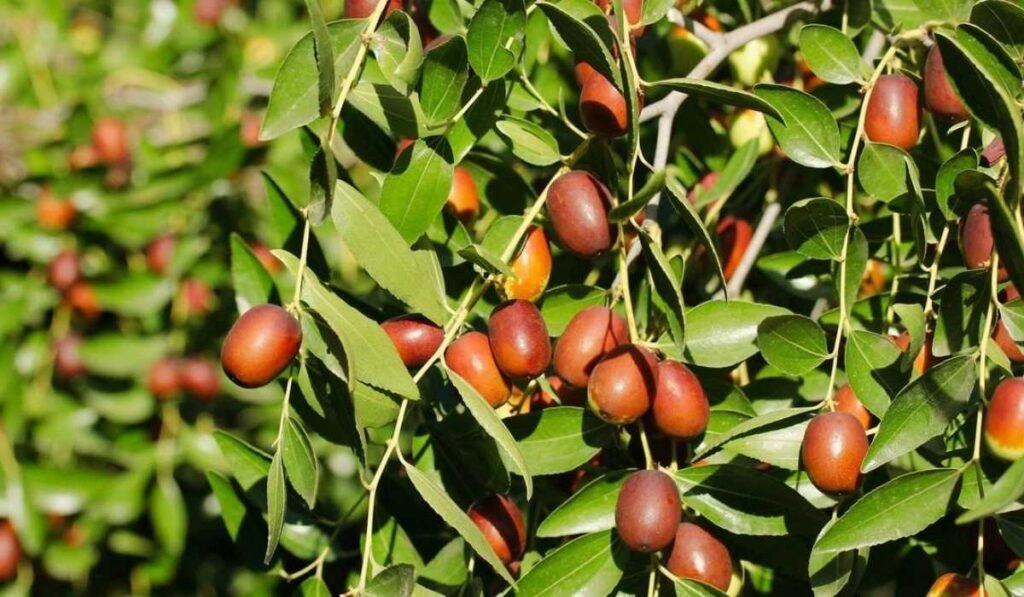
Examining the physical structure of a mature žižole shrub reveals a complex arrangement of defensive thorns and highly efficient leaves. The bright green leaves feature three prominent veins at their base, which optimize sunlight capture for essential energy production. Small, yellow-green flowers bloom along the branches during late spring, attracting diverse local pollinator populations to ensure successful fruit development. The resulting oval drupes start out smooth and light green before shifting to a deep reddish-brown color as they mature. This distinct physical transformation signals the ideal harvest window for local growers.
Nutritional Composition and Vitamin Concentrations of Fresh Drupes
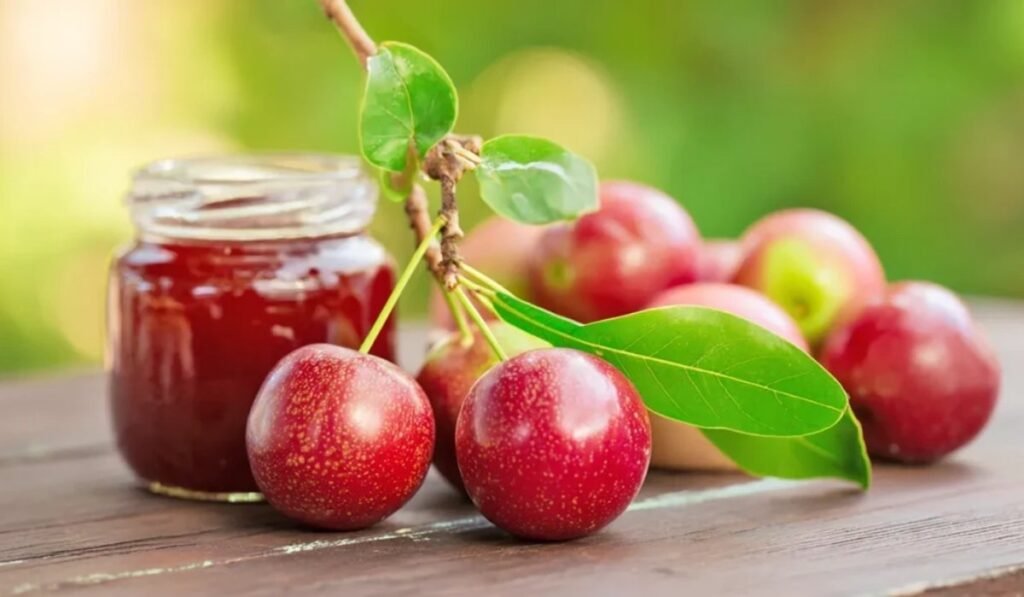
Consuming raw portions of sweet žižole provides the human body with an abundant supply of essential micronutrients and powerful antioxidants. Nutritional analyses show that these small fruits contain exceptional concentrations of vitamin C, surpassing levels found in standard citrus crops. Additionally, the flesh delivers significant amounts of potassium, iron, and dietary fiber, which directly support optimal cellular functions and digestion. Integrating these fruits into everyday diets offers a natural method to elevate daily nutrient intake without consuming excessive calories. The dense chemical profile makes them a standout choice for health-conscious food consumers.
Traditional Preservation Methods and Sun Drying Innovations
When fresh harvesting seasons conclude, traditional farmers utilize time-tested drying methods to extend the shelf life of their žižole crops. Spreading the ripe fruits out on elevated wooden screens allows natural sunlight and warm breezes to remove internal moisture uniformly. As the hydration drops, the skin wrinkles beautifully and the inner sugars concentrate, creating a texture reminiscent of traditional dates. This classic preservation technique prevents spoilage without requiring chemical additives, ensuring a stable food supply through winter months. Dried batches maintain their rich nutritional value and distinct sweet flavor profiles for extended periods.
Culinary Applications in Modern Gastronomy and Pastry Design
Modern chefs are rediscovering the complex flavor notes of cooked žižole, incorporating the sweet ingredient into innovative contemporary recipes. The natural sugar content makes the fruit an excellent base for creating thick marmalades, sweet spreads, and artisanal pastry fillings. In Mediterranean coastal communities, bakers frequently pair the chopped fruit with rolled oats, brown sugar, and rich butter to bake delicious dessert bars. The balanced sweetness profiles enhance both traditional baked goods and modern savory dishes, offering culinary experts an authentic regional ingredient. This culinary flexibility continues to expand its popularity across global food markets.
Industrial Fermentation and the Production of Regional Spirits
Beyond standard food preparation, mature harvests of žižole play a critical role in the production of traditional Balkan brandies. Distillers crush the overripe, sugar-rich fruits to kickstart natural fermentation processes within temperature-controlled storage vats. The resulting fruit mash undergoes careful distillation to create a high-quality spirit celebrated for its smooth aromatic finish and cultural value. This specialized regional beverage showcase how agricultural surpluses can transform into high-value cultural products that support local tourism economies. Every bottle preserves the distinct aromatic profile of the sun-drenched coastal orchards.
Therapeutic Applications in Ancient Herbal Medicine Systems
Historical wellness documents frequently praise the therapeutic qualities of the žižole plant for soothing diverse physical ailments and restoring bodily balance. Traditional practitioners used concentrated extractions from the seeds and flesh to calm restless minds and improve nightly sleep quality. The natural compounds found within the fruit help reduce systemic inflammation and strengthen the protective lining of the human digestive tract. By supporting internal systems gently, these historic remedies have maintained their popularity across centuries of shifting medical practices. Modern research continues to validate these ancient observations through clinical trials.
Phytochemical Profiling and the Identification of Bioactive Compounds
Advanced laboratory evaluations of the unique žižole fruit have identified a complex matrix of beneficial secondary plant metabolites. Scientists have isolated significant quantities of phenolic compounds, triterpenic acids, and specialized polysaccharides within the sweet flesh and exterior skin. These bioactive molecules act as aggressive free radical scavengers, shielding human cells from oxidative stress and potential long-term cellular damage. Understanding these underlying chemical structures allows pharmaceutical developers to extract specific compounds for creating targeted natural wellness supplements. The ongoing scientific validation elevates the fruit from a simple regional snack to a complex functional food.
Exploring the Role of Ziziphin in Taste Perception Modulations
One of the most remarkable biochemical attributes found within the green leaves of the žižole tree is the compound ziziphin. This unique saponin possesses the temporary ability to modify human taste receptors upon direct physical contact with the tongue surface. Specifically, it suppresses the neural pathways responsible for perceiving sweet tastes, turning sugary foods temporarily bland or flavorless. Researchers utilize these interesting properties to map the complex mechanics of human gustatory perception and study appetite control behaviors. This rare chemical interaction demonstrates the hidden scientific value contained within ordinary orchard foliage.
Economic Impacts on Coastal Agricultural Economies and Tourism
The systematic cultivation of specialized žižole orchards provides vital financial stability for small-scale family farms operating along Mediterranean coastlines. Because the trees require minimal chemical fertilizers and low water inputs, operational overhead costs remain incredibly low for growers. Agri-tourism initiatives capitalize on these picturesque orchards by organizing seasonal harvesting festivals that draw international visitors to rural villages. Selling unique items like fruit honeys, dried packs, and distilled spirits boosts local economies and preserves historic farming lifestyles. The fruit serves as an economic anchor for traditional coastal communities.
Organic Orchard Management and Natural Pest Control Strategies
Maintaining a healthy organic žižole plantation requires a deep understanding of local ecosystem dynamics and natural insect behaviors. The natural hardiness of the tree bark resists common fungal infections, reducing the need for aggressive synthetic chemical sprays. Farmers encourage local bird populations and beneficial predatory insects to nest nearby, creating a balanced shield against leaf-eating caterpillars. This holistic approach to orchard management ensures that the final fruit harvests remain entirely free from toxic pesticide residues. Sustainable cultivation priorities protect surrounding soil health and local water tables for future generations.
Genetic Diversity and the Conservation of Historic Cultivars
As industrialized farming systems push for uniform crop varieties, protecting the genetic diversity of old žižole strains becomes critical. Over four hundred distinct cultivars exist globally, each offering unique adjustments to local soil characteristics and regional moisture levels. Botanical preservation groups work closely with traditional farmers to catalog these rare heirloom trees and safeguard their unique survival adaptations. Maintaining this deep genetic reservoir ensures that future agricultural operations can adapt successfully to shifting global climate challenges. Preserving these ancient lineages guarantees that valuable plant characteristics are not lost to history.
Maximizing Crop Yields Through Precise Pruning Methods
Achieving optimal fruit production across large žižole orchards depends on the careful implementation of annual winter pruning techniques. Workers carefully remove dead or overlapping branches to maximize sunlight penetration into the center of the leafy canopy. This strategic structural shaping encourages the growth of vigorous new fruiting wood where flowers can bloom abundance during spring. Proper spacing between open branches also facilitates rapid air circulation, which prevents moisture accumulation and minimizes the risk of localized bacterial blight. Structured maintenance practices consistently deliver larger, sweeter fruit drupes during the autumn harvest.
Evaluating the Ecosystem Services of Jujube Plantations
Beyond producing delicious edible crops, established žižole plantations deliver essential environmental benefits to surrounding rural landscapes. The expansive, deep root networks bind loose topsoil layers securely, preventing destructive wind erosion and land degradation during intense winter storms. Additionally, the spring blossoms offer an invaluable nectar source for wild honeybees and other vital native pollinator species. By incorporating these resilient trees into multi-species agricultural zones, land managers can construct robust ecological buffers that enhance regional biodiversity. The presence of these orchards supports broader environmental health initiatives.
Consumer Trends and the Rising Demand for Functional Superfoods
Shifting global consumer preferences are driving a massive surge in market demand for natural, nutrient-dense functional superfoods. Modern shoppers actively seek out exotic options like dried žižole due to their clean labeling profiles and historical health connections. Marketing campaigns highlight the fruit’s high antioxidant content and clean energy delivery, appealing directly to busy urban professionals. This growing mainstream awareness encourages major grocery chains to stock specialized fruit selections in their natural food aisles. The transition into mainstream retail markets opens lucrative distribution pathways for independent regional farmers.
Navigating Import Export Frameworks for Global Distribution
Expanding the commercial reach of regional žižole products into international trade corridors requires strict adherence to global phytosanitary standards. Exporters must implement meticulous quality control checks to guarantee that dried fruit shipments remain completely free from moisture-induced molds. Meeting the rigorous organic certification guidelines established by destination countries allows distributors to command premium prices in upscale retail markets. Developing streamlined packaging techniques protects the fragile fruit skins during long ocean shipping transits, ensuring absolute freshness upon arrival. Overcoming these logistical hurdles allows regional cooperatives to access wealthy international consumer bases.
Integrating Traditional Fruits into Modern Urban Forestry Projects
Urban planners are increasingly selecting the resilient žižole tree for incorporation into innovative green space developments within modern cities. The plant’s remarkable tolerance for localized air pollution and poor urban soils makes it an ideal choice for roadside green belts. City residents benefit from the cooling shade provided by the dense summer canopy, while public picking initiatives connect communities with natural food production. Utilizing food-bearing trees in public landscaping projects enhances urban food security and transforms sterile concrete environments into vibrant, interactive ecosystems. This versatile plant offers practical solutions for modern city infrastructure challenges.
Collaborative Research Initiatives and Future Food Security
As unpredictable weather patterns threaten traditional global grain supplies, international agricultural researchers look toward hardy alternative crops. Multi-national scientific groups study the resilient genome of the žižole species to isolate the specific genes responsible for drought endurance. Sharing these valuable findings across global research networks helps developers engineer future food crops capable of thriving in increasingly arid environments. Investing in the long-term study of these ancient fruits strengthens global food security frameworks and provides practical survival strategies for vulnerable farming communities. The humble coastal crop plays a vital role in global agricultural innovation.
The Cultural Legacy of Historic Orchards in Southern Europe
The enduring presence of centuries-old žižole groves across Southern European landscapes serves as a beautiful testament to sustainable agricultural practices. Generation after generation, family farmers have tended these thorny trees, weaving the seasonal fruit harvests into regional folk traditions and local cooking styles. The annual autumn collection remains a joyous community event that celebrates regional identity and honors the natural bounty of the land. As societies move rapidly toward automation, preserving these slow-paced agricultural rituals keeps human communities anchored to their environmental histories. The timeless appeal of the sweet crop continues to enrich the diverse tapestry of Jujube.
1. What are the primary health advantages associated with eating fresh žižole fruits regularly?
- The fresh fruit delivers massive concentrations of protective vitamin C, essential potassium, and dietary fibers that optimize immune functions and support digestion.
2. Can the resilient žižole tree grow successfully in poor or highly alkaline soil profiles?
- Yes the deep root network adapts efficiently to rocky, low-nutrient, and alkaline soils while maintaining excellent drought resistance during hot summers.
3. How do traditional Mediterranean farmers preserve the seasonal žižole harvest for winter use?
- Growers spread the ripe drupes on open screens to sun-dry naturally, which concentrates sugars and yields a wrinkled texture like classic dates.
4. What unique sensory change occurs when human taste buds come into contact with žižole leaves?
- The leaves contain a specialized saponin compound called ziziphin that temporarily suppresses the tongue’s ability to perceive sweet flavors completely.
5. What types of culinary products can artisans create utilizing overripe žižole fruit batches?
- Producers use the sugar-dense fruits to cook thick marmalades, bake sweet pastry bars, or ferment artisanal regional brandies and distilled spirits.