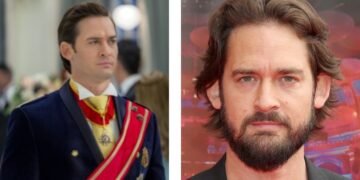

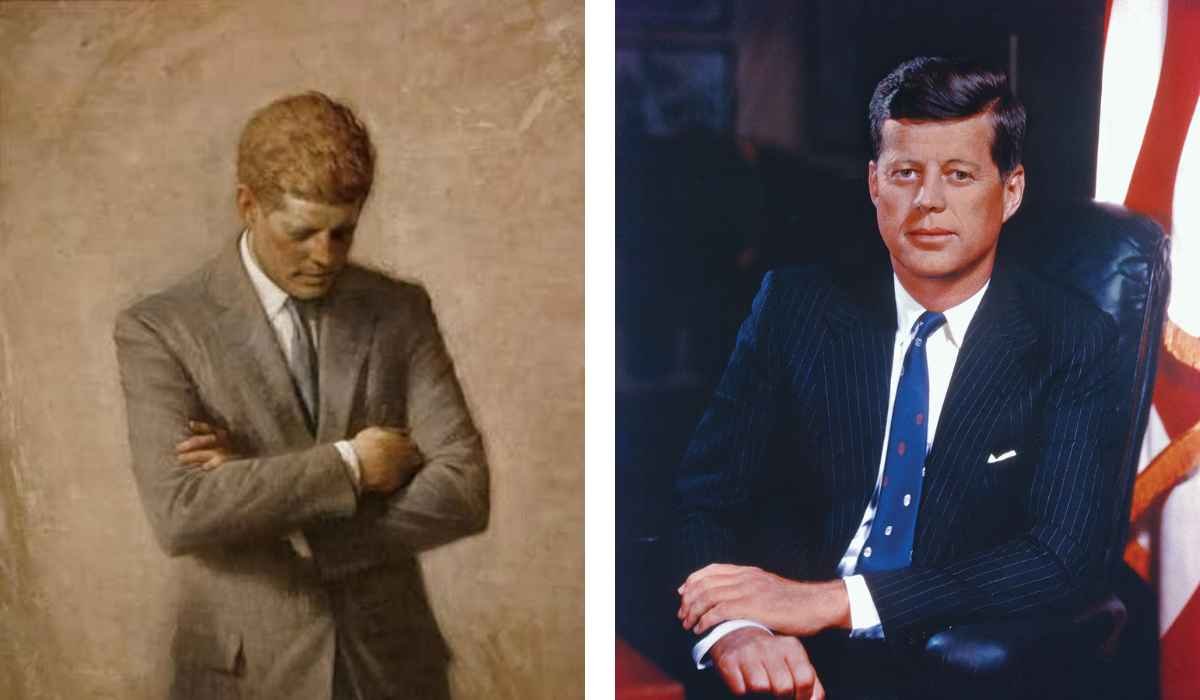
The landscape of American politics and global leadership during the mid-twentieth century owes an immeasurable debt of gratitude to the visionary presidency of John F Kennedy, whose charismatic dedication completely transformed the sociopolitical reality of the United States. During a time when Cold War tensions and intense domestic struggles threatened to divide a nation, this remarkable leader rose to prominence with a message rooted in youth, progress, and unyielding national courage. By championing bold initiatives, he demonstrated that deep-seated systemic challenges could be effectively met through innovation and unity rather than fear and division. His life remains a guiding light for anyone striving to build a fairer, more dynamic world.
Quick Bio Snapshot
- Full Name: John Fitzgerald Kennedy (often referred to as JFK)
- Lifespan: May 29, 1917 – November 22, 1963
- Key Role: 35th President of the United States
- Major Achievement: Navigated the Cuban Missile Crisis and initiated the Apollo space program
Early Life and Roots of John F Kennedy
The journey of John F Kennedy began in Brookline, Massachusetts, where he was born into a prominent, politically ambitious family. Growing up as the son of a wealthy ambassador, he was exposed early on to international relations and public service. These formative years planted the seeds of a lifelong commitment to political engagement and leadership. Despite facing numerous health challenges throughout his youth, he pursued education with vigor, eventually attending Harvard University. This privileged yet demanding environment nurtured his intellectual curiosity and prepared him for the monumental role he would eventually play on the world stage.
Academic Pursuits and Military Service of John F Kennedy
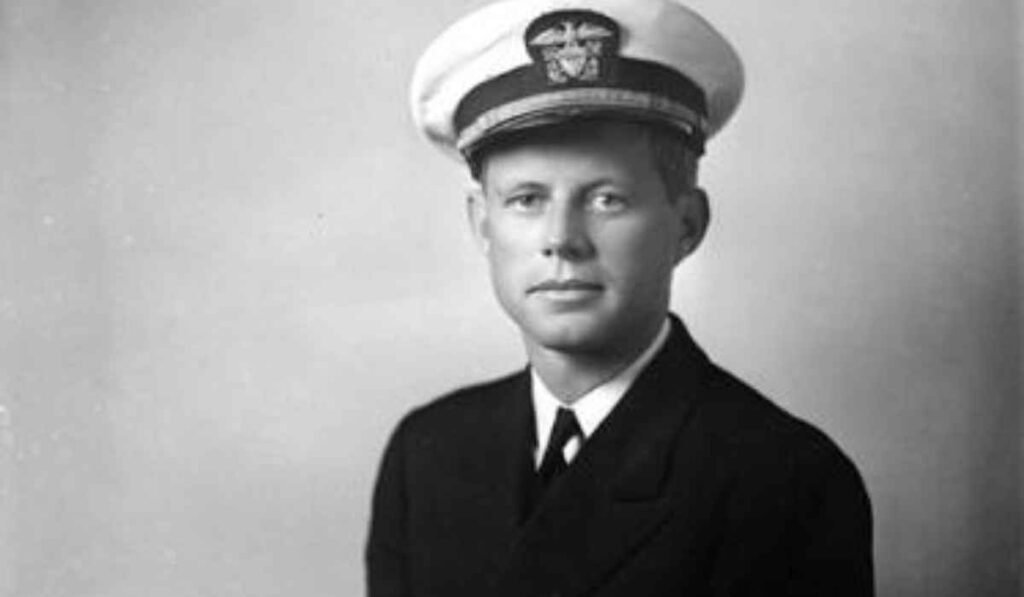
Intellectual development and wartime heroism played crucial roles in shaping the worldview of John F Kennedy. After completing his undergraduate studies, he enlisted in the United States Navy, serving with distinction as the commander of Motor Torpedo Boat PT-109 in the Pacific theater. His courageous actions to save his surviving crew members after a Japanese destroyer rammed their boat earned him multiple honors and forged his reputation for grace under pressure. This rigorous naval experience equipped him with the practical leadership skills necessary to navigate complex international crises and bridge the gap between military realities and strategic political decision-making in Washington.
The Political Rise and Congressional Career of John F Kennedy
National prominence arrived for John F Kennedy through his successful transitions into elected legislative office. Capitalizing on his war hero status and familial backing, he won election to the United States House of Representatives representing Massachusetts in 1946, later advancing to the United States Senate in 1952. During his time in Congress, he cultivated a reputation as an articulate and thoughtful lawmaker who could work across party lines while carefully building a national profile. This legislative foundation proved invaluable as he laid the groundwork for his ultimate presidential ambitions, establishing John F Kennedy as a rising star within the Democratic Party.
The 1960 Presidential Election and the Vision of John F Kennedy
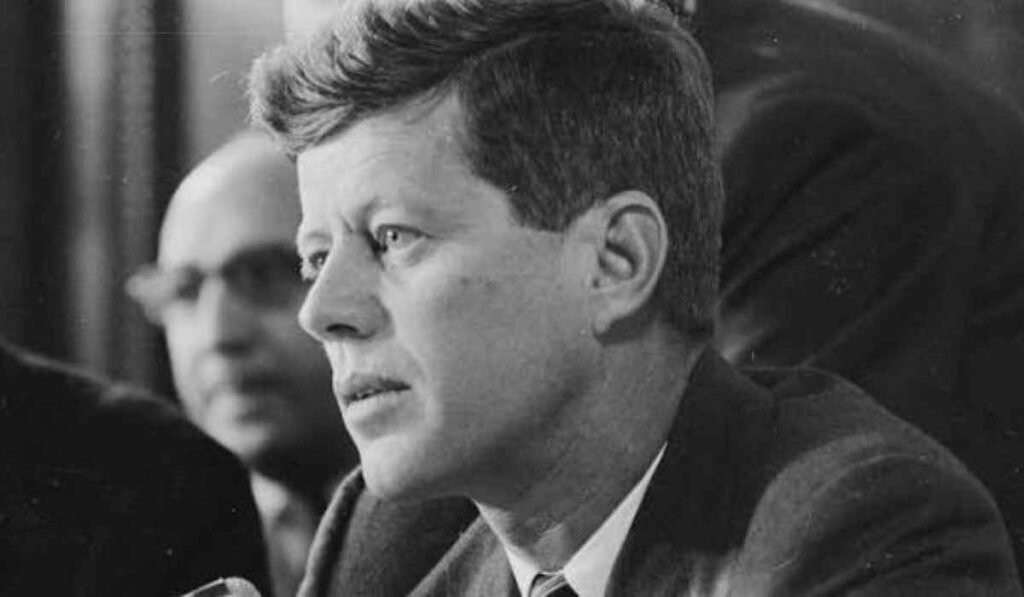
A pivotal moment in modern political history occurred during the landmark 1960 presidential campaign, which pitted John F Kennedy against Republican nominee Richard Nixon. This historic race featured the first televised presidential debates in American history, where his polished television presence and eloquent articulation of a New Frontier captured the imagination of millions of voters. Narrowly winning one of the closest elections in national history, he became the youngest elected president and the first Catholic to hold the office, ushering in a vibrant era of youthful optimism, intellectual vigor, and renewed civic engagement across the nation.
The New Frontier and Domestic Policies of John F Kennedy
At the core of the domestic agenda promoted by John F Kennedy was an ambitious legislative program known as the New Frontier. This platform aimed to boost the national economy, provide federal aid for education, reform healthcare systems for the elderly, and eradicate persistent pockets of poverty. While facing a conservative coalition in Congress that frequently blocked or diluted his progressive bills, he successfully raised the minimum wage, expanded social security benefits, and created the Peace Corps. The charismatic leadership style of John F Kennedy continually inspired ordinary citizens to embrace public service and community responsibility.
Space Exploration and the Apollo Program Led by John F Kennedy
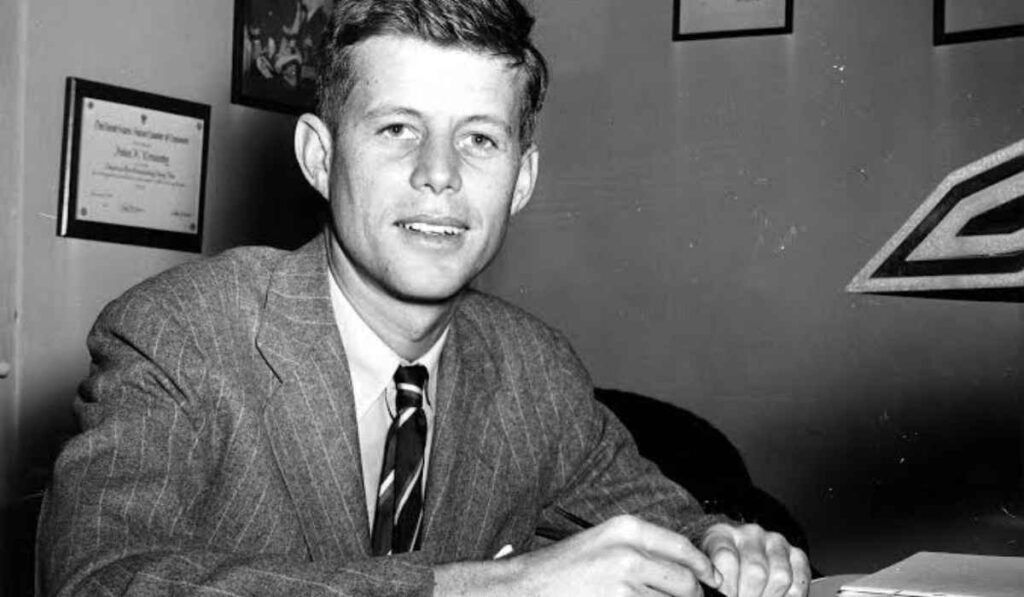
Advancing technological horizons became a defining hallmark of the administration headed by John F Kennedy. Confronting the early Soviet dominance in the space race, particularly after Yuri Gagarin’s historic orbit, he made the bold declaration that the United States would land a man on the moon before the decade was out. This inspiring challenge mobilized massive federal funding and scientific talent through the National Aeronautics and Space Administration. The visionary commitment of John F not only achieved this monumental lunar landing in 1969 but also revolutionized global telecommunications, scientific research, and technological innovation for generations.
Civil Rights and the Evolving Stance of John F Kennedy
Navigating the turbulent civil rights movement presented profound moral and political challenges for John F . Initially cautious to avoid alienating powerful southern Democrats necessary for his legislative agenda, he gradually recognized the absolute necessity of federal intervention against racial injustice. Following intense protests, violent resistance in the South, and the historic Birmingham campaign, he delivered a landmark television address declaring civil rights a moral issue. The administration of John F Kennedy subsequently drafted comprehensive legislation that ultimately laid the foundation for the landmark Civil Rights Act of 1964.
Foreign Policy Challenges and the Bay of Pigs Invasion
Managing complex international relations proved immediately difficult for John F Kennedy during the early months of his presidency. Seeking to overthrow Fidel Castro’s communist regime in Cuba, he authorized the clandestine Bay of Pigs invasion, which ended in a disastrous failure due to poor planning and compromised secrecy. Taking full personal responsibility for the fiasco, John F Kennedy learned vital lessons regarding military advice and intelligence operations. This humbling experience sharpened his diplomatic skepticism and deeply influenced how he managed subsequent superpower confrontations during the height of the dangerous Cold War era.
The Cuban Missile Crisis and the Diplomacy of John F Kennedy
The most perilous confrontation of the nuclear age occurred in October 1962 during the Cuban Missile Crisis, severely testing the crisis management skills of John F Kennedy. Discovering Soviet offensive nuclear missiles stationed just ninety miles off the Florida coast, he resisted advice from military advisors to launch an immediate airstrike. Instead, he instituted a naval quarantine around Cuba and engaged in tense, secret negotiations with Soviet leader Nikita Khrushchev. The steadfast yet flexible diplomacy of John F successfully averted a catastrophic nuclear war, resulting in the peaceful withdrawal of missiles and a mutual easing of tensions.
Cold War Strategy and the Peace Corps Initiative of John F Kennedy
Beyond military standoffs, the foreign policy of John F Kennedy emphasized constructive international engagement and economic aid to developing nations. In March 1961, he established the Peace Corps, a volunteer program sending skilled Americans abroad to assist developing countries with education, agriculture, and healthcare. This initiative projected soft power while genuinely improving human conditions globally. Furthermore, the strategic vision of John F included signing the historic Limited Nuclear Test Ban Treaty in 1963, marking a crucial first step toward curbing the dangerous arms race between the United States and the Soviet Union.
Economic Policies and the Tax Cut Strategy of John F Kennedy
Promoting robust economic growth required innovative fiscal strategies championed by John F . Facing a sluggish economy upon taking office, he embraced Keynesian economic principles, arguing that reducing individual and corporate tax rates would stimulate private investment and consumer spending. Although congressional debate was protracted, his economic team laid the groundwork for the Revenue Act of 1964. This policy framework demonstrated that John F Kennedy understood the intricate relationship between fiscal stimulation and long-term national prosperity, successfully steering the country away from economic stagnation.
Cultural Elegance and Camelot: The Administration of John F Kennedy
The cultural atmosphere surrounding the White House during this period frequently earned the romanticized moniker of Camelot, heavily influenced by the grace and sophistication of John F and his wife, Jacqueline Kennedy. The presidential couple invited prominent artists, musicians, intellectuals, and Nobel laureates to dine at the executive mansion, elevating the profile of arts and culture in American public life. This vibrant cultural renaissance captured the public imagination, cementing the personal popularity of John F Kennedy and creating an enduring mythos that outlasted his brief time in office.
Environmental Conservation and Natural Resources under John F Kennedy
Protecting America’s natural heritage formed an understated yet significant component of the broader legacy left by John F Kennedy. Working closely with conservationist Stewart Udall, the administration expanded national parks, established new wildlife refuges, and promoted scientific research into pollution and resource management. During a landmark conservation tour across the American West in 1963, John F Kennedy advocated passionately for preserving public lands for future generations. This commitment ensured that his forward-thinking agenda extended well beyond urban centers and foreign policy to safeguard the nation’s natural ecosystems.
The Tragic Assassination and National Mourning of John F Kennedy
The earthly journey of John F Kennedy was cut tragically short on November 22, 1963, when an assassin’s bullets struck him while riding in an open-top motorcade through Dealey Plaza in Dallas, Texas. News of his death plunged the nation and the entire world into profound shock and deep mourning. Millions watched the televised funeral proceedings with heavy hearts as a grieving nation laid its youngest elected president to rest at Arlington National Cemetery. The sudden assassination of John F Kennedy transformed him into a tragic historical icon, sealing his place among the most lamented leaders of the twentieth century.
The Warren Commission and Investigations into John F Kennedy
In the immediate aftermath of the tragedy, establishing the truth behind the assassination became a national priority for the government. John F Kennedy was succeeded by Lyndon B. Johnson, who promptly established the President’s Commission on the Assassination of President Kennedy, commonly known as the Warren Commission. Headed by Chief Justice Earl Warren, the panel concluded that Lee Harvey Oswald acted alone in shooting John F Kennedy. Despite various conspiracy theories that persisted for decades regarding the precise details of the event, the official findings attempted to bring closure to a deeply traumatized nation.
Cultural Impact and Global Legacy of John F Kennedy
Decades after his untimely death, the cultural impact of John F Kennedy remains deeply woven into the fabric of modern historical memory. Memorials, scholarships, educational institutions, and public infrastructure projects worldwide continue to bear his name and honor his public service ideals. The rhetorical flair and inspiring speeches delivered by John F Kennedy continue to be quoted by modern politicians and activists alike. His enduring message reminds humanity that civic participation requires courage, dedication, and an unshakeable belief in the ultimate triumph of democratic values over tyranny.
Modern Relevance and the Teachings of John F Kennedy Today
Contemporary political discourse frequently looks back to the governance philosophy of John F Kennedy for guidance when confronting modern forms of polarization, international instability, and civic apathy. As societies grapple with complex issues of technological change and global security, the strategic wisdom offered by John F Kennedy provides a reliable roadmap for constructive dialogue and decisive executive action. Honoring his memory requires more than historical nostalgia; it demands active participation in public service and defending the democratic institutions he fought so hard to preserve.
The Dream Continues: Future Generations Inspired by John F Kennedy
The ongoing realization of the civic ideals championed by John F Kennedy rests heavily upon the shoulders of emerging generations across the globe. Educational institutions continually introduce young minds to his famous inaugural address, ensuring that the foundational call to public duty—asking what one can do for their country—is passed down. Each individual who chooses community involvement over indifference helps fulfill the vision once inspired by John F Kennedy. The journey toward a more perfect democracy is continuous, requiring constant vigilance, dedication, and moral clarity from everyone who shares his dream.
Commemoration and Reflection on the Life of John F Kennedy
Annual observances dedicated to John F Kennedy serve as important moments for national and international self-reflection, encouraging citizens to engage in public service and charitable endeavors. These traditions keep the spirit of civic responsibility alive, transforming historical remembrance into a living movement of active community contribution. Through these collective efforts, the legacy of John F Kennedy transcends the history books, manifesting daily in acts of leadership, public dedication, and international cooperation around the world.
Conclusion: The Eternal Spirit of John F Kennedy
Ultimately, the profound impact of John F Kennedy defies simple categorization, representing a vital chapter in the evolution of modern political leadership. His unwavering faith in humanity’s potential for progress, peace, and democratic freedom continues to inspire millions across cultural, geographic, and generational divides. As long as people strive for excellence, international harmony, and public service, the visionary spirit of John F Kennedy will forever illuminate the path toward a brighter, more cooperative future for all mankind.
Frequently Asked Questions
- What was the primary military background of John F Kennedy?
- He served as a decorated U.S. Navy lieutenant commanding PT-109 in the Pacific during World War II.
- How did John F Kennedy handle the Cuban Missile Crisis?
- He instituted a naval quarantine and negotiated a peaceful withdrawal of Soviet nuclear weapons.
- What major space exploration goal did John F Kennedy establish?
- He committed the United States to landing a man on the moon before the end of the 1960s.
- Why did John F Kennedy establish the Peace Corps?
- He created the program to send skilled American volunteers abroad to assist developing nations.
- What international recognition did John F Kennedy receive for his naval service?
- He earned the Navy and Marine Corps Medal along with the Purple Heart for saving his crew.