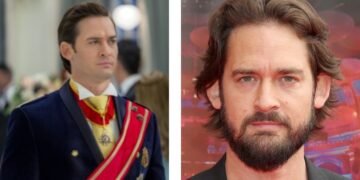

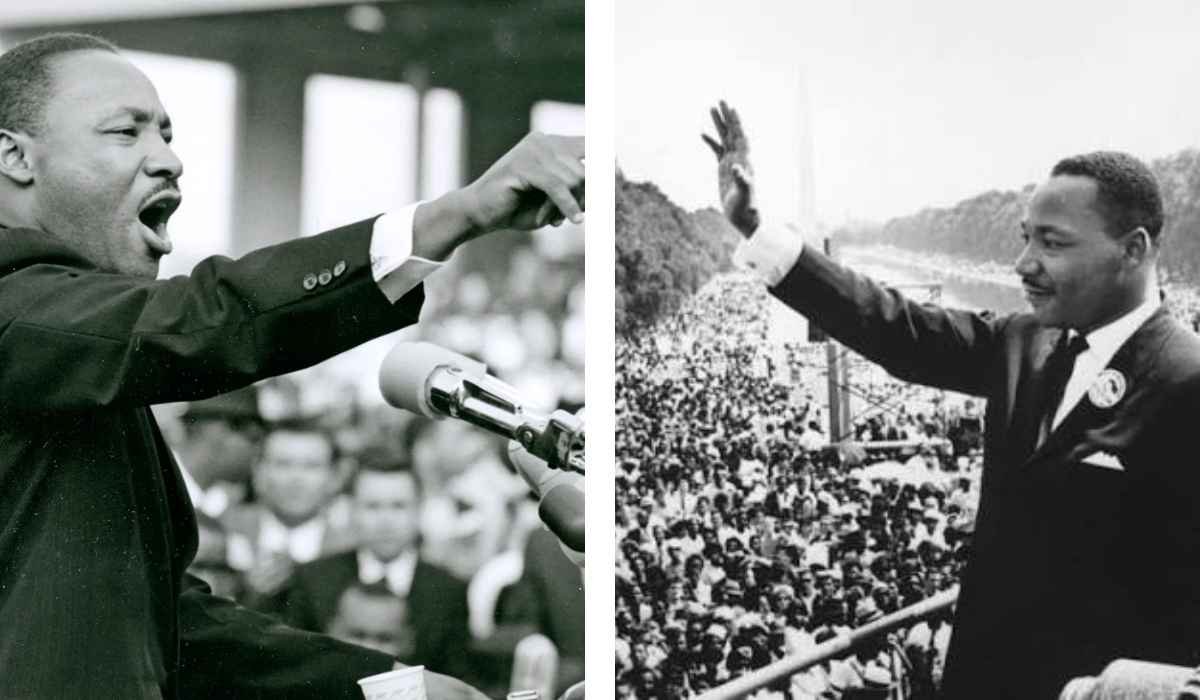
The landscape of modern civil rights and social justice owes an immeasurable debt of gratitude to the visionary leadership of Martin Luther King, whose tireless dedication completely transformed the sociopolitical reality of the United States. During a time when institutionalized discrimination and racial segregation threatened to divide a nation, this remarkable minister rose to prominence with a message rooted in peace, equality, and unyielding moral courage. By championing nonviolent resistance, he demonstrated that deep-rooted systemic oppression could be effectively challenged through love and unity rather than hatred and division. His life remains a guiding light for anyone striving to build a fairer, more compassionate world.
Quick Bio Snapshot
- Full Name: Michael King Jr. (later changed to Martin Luther King Jr.)
- Lifespan: January 15, 1929 – April 4, 1968
- Key Role: Baptist minister and civil rights activist
- Major Achievement: Nobel Peace Prize laureate in 1964
Early Life and Roots of Martin Luther King
The journey of Martin Luther King began in Atlanta, Georgia, where he was born into a family deeply rooted in the faith community. Growing up as the son of a Baptist pastor, he was exposed early on to the harsh realities of Jim Crow laws and racial prejudice. These formative years planted the seeds of a lifelong commitment to fighting discrimination. Despite the limitations imposed by society, he pursued education with vigor, entering Morehouse College at a remarkably young age. This environment nurtured his intellectual curiosity and prepared him for the monumental role he would eventually play on the world stage.
Academic Pursuits and Theological Growth of Martin Luther King
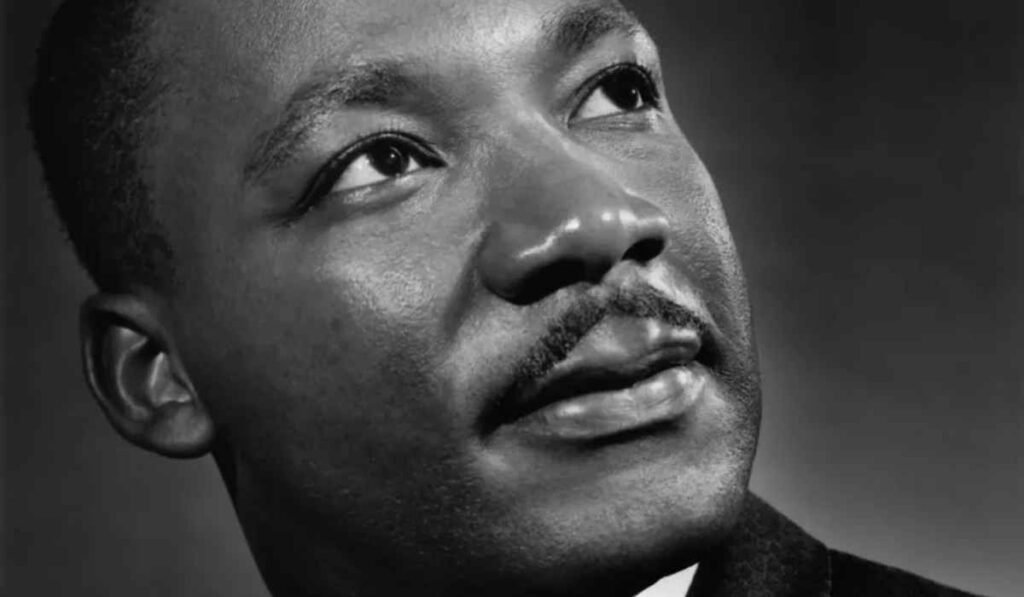
Intellectual development played a crucial role in shaping the worldview and leadership strategy of Martin Luther King. After completing his undergraduate studies, he attended Crozer Theological Seminary and later Boston University, where he earned his doctorate. During these academic years, he immersed himself in the deep theological writings of Christian thinkers as well as the philosophical concepts of prominent global leaders. This rigorous academic foundation equipped him with the intellectual tools necessary to articulate complex moral arguments against systemic injustice, bridging the gap between academic theology and practical, grassroots social activism in America.
The Influence of Mahatma Gandhi on Martin Luther King
A pivotal moment in the intellectual evolution of Martin Luther King occurred when he encountered the philosophies of Mahatma Gandhi. Gandhi’s doctrine of satyagraha, which translates to truth force or nonviolent resistance, deeply resonated with his own Christian values. He realized that fighting oppression through peaceful means possessed an incredible moral authority capable of disarming even the most stubborn adversaries. This philosophy became the bedrock of his strategic approach to the civil rights movement, proving that spiritual and emotional strength could overpower physical aggression and systemic state violence without replicating its destructive nature.
The Montgomery Bus Boycott and the Rise of Martin Luther King
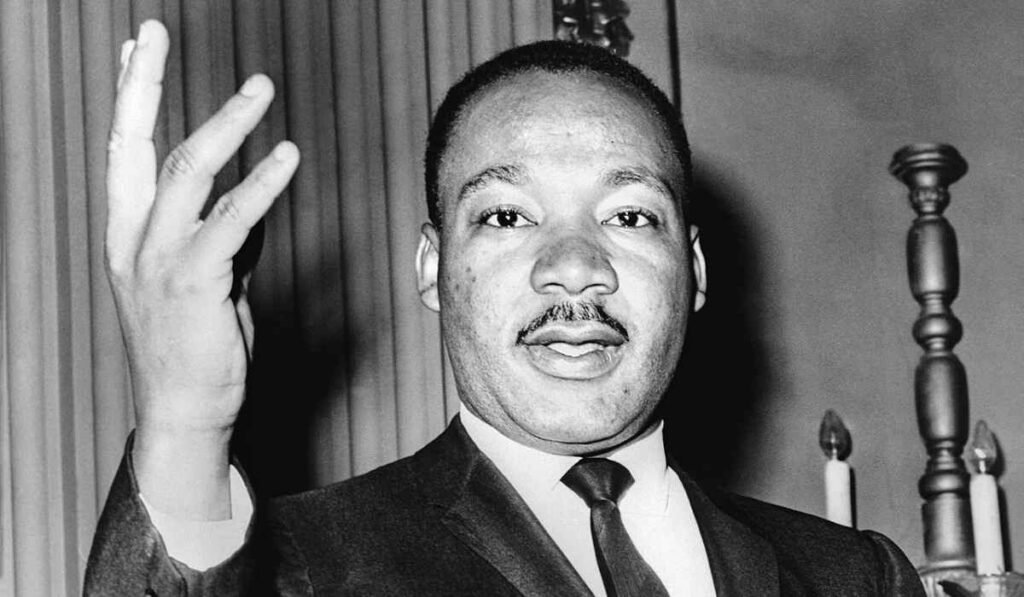
National prominence arrived for Martin Luther King during the historic Montgomery bus boycott of 1955. Following the courageous arrest of Rosa Parks for refusing to give up her bus seat, local leaders needed a unified voice to lead a prolonged economic protest. Selected to head the newly formed Montgomery Improvement Association, he delivered a stirring address that galvanized the African American community to walk or carpool instead of riding segregated buses. This successful year-long campaign proved the viability of organized civil disobedience, establishing Martin Luther King as an undisputed national leader in the ongoing struggle for racial equality.
Strategic Organization and the Formation of the SCLC
Sustaining momentum required structural organization, prompting Martin Luther King and other prominent faith leaders to establish the Southern Christian Leadership Conference in 1957. The SCLC provided a coordinated network for activists across various southern states to plan and execute nonviolent campaigns against segregation. By anchoring the movement within churches, they ensured a deep moral foundation that sustained participants through immense hardship. Under his careful guidance, the organization orchestrated numerous workshops, voter registration drives, and protests that systematically chipped away at the legal foundations of white supremacy throughout the American South.
The Philosophy of Nonviolent Resistance Practised by Martin Luther King
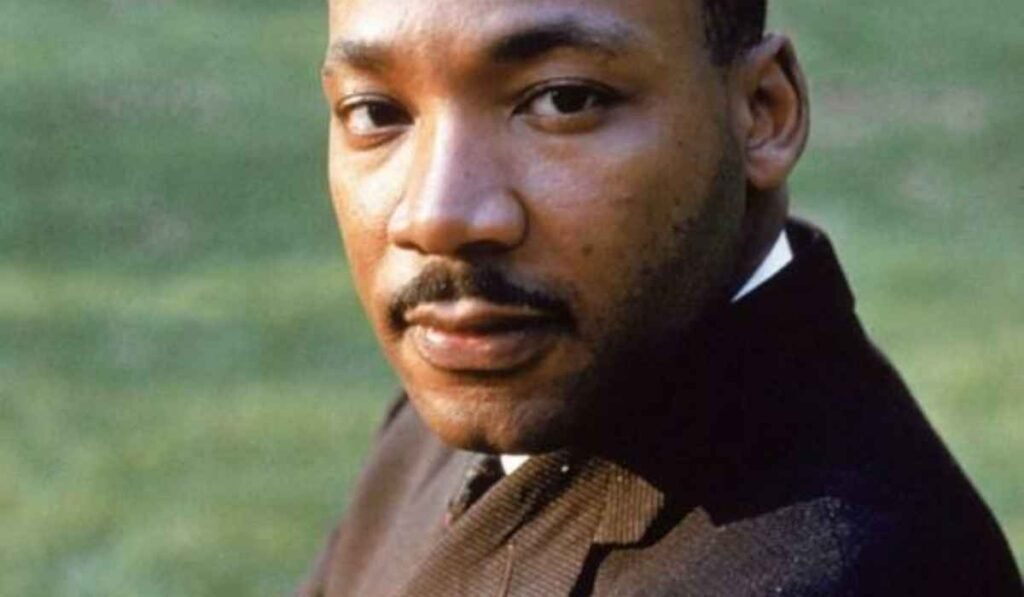
At the core of every campaign led by Martin Luther King was an unwavering commitment to strict nonviolence. He often trained followers to endure physical abuse, verbal taunts, and imprisonment without retaliating, believing that unearned suffering is redemptive. This disciplined approach shocked the conscience of the nation as television broadcasts displayed peaceful protestors facing violent police retaliation. By maintaining moral superiority, Martin Luther King successfully exposed the brutality of segregationist policies to the entire world, shifting public opinion and forcing federal intervention to protect the constitutional rights of marginalized citizens.
The Birmingham Campaign and Defining Moments for Martin Luther King
Spring 1963 brought one of the most intense tests of resolve for Martin Luther King during the strategic desegregation campaign in Birmingham, Alabama. Facing aggressive police tactics involving attack dogs and high-pressure fire hoses, protestors held their ground with remarkable courage. During this period, authorities arrested and imprisoned Martin Luther , leading him to write his famous Letter from Birmingham Jail. This profound text defended the moral necessity of breaking unjust laws openly and lovingly, outlining a timeless philosophical framework for civil disobedience that continues to inspire modern human rights movements across the globe.
The Historic March on Washington Led by Martin Luther King
Later that same year, Martin Luther achieved a defining moment in modern history by helping organize the historic March on Washington for Jobs and Freedom. Drawing over 250,000 peaceful demonstrators to the National Mall, the massive gathering demonstrated unprecedented solidarity across racial lines. Standing before the Lincoln Memorial, Martin Luther delivered his legendary I Have a Dream speech, painting a vivid picture of a reconciled nation. His soaring rhetoric captured the imagination of millions, permanently altering the national discourse and creating irresistible political momentum for sweeping civil rights legislation in the United States.
Legislative Triumphs and the Advocacy of Martin Luther King
The immense pressure generated by nationwide activism directly influenced federal lawmakers, leading directly to the passage of landmark legislation championed by Martin Luther King. The Civil Rights Act of 1964 legally dismantled public segregation and prohibited employment discrimination based on race, color, religion, sex, or national origin. Shortly thereafter, the Voting Rights Act of 1965 eliminated discriminatory voting barriers such as literacy tests. These historic victories represented the culmination of years of struggle, cementing the legacy of Martin Luther King as a master strategist who achieved tangible legislative reform through peaceful perseverance.
Global Recognition and the Nobel Peace Prize for Martin Luther King
International acknowledgment of his tireless efforts arrived when Martin Luther was awarded the prestigious Nobel Peace Prize in 1964. At just thirty-five years old, he became the youngest person ever to receive the honor at that time, using his acceptance speech to highlight the global struggle for peace and human dignity. He announced that he would donate the entire monetary award to support the ongoing civil rights movement. This global recognition elevated Martin Luther King from a national civil rights leader to an international prophet of peace, solidarity, and universal human rights.
Expanding Horizons: Economic Justice and the Vision of Martin Luther King
During his later years, the vision of Martin Luther King expanded beyond racial integration to address the deep-rooted systemic issues of poverty and economic inequality. He argued that formal legal equality meant little if impoverished families lacked basic housing, employment, and educational opportunities. By launching initiatives aimed at bridging the vast wealth gap, Martin Luther demonstrated a comprehensive understanding of social justice that linked civil rights directly with economic security, challenging the capitalist nation to live up to its foundational promise of prosperity for all citizens.
Opposition to the Vietnam War and the Stance of Martin Luther King
Courageous public opposition to United States involvement in the Vietnam War marked another critical chapter in the later life of Martin Luther King. Despite warnings from allies who feared alienating political supporters, he delivered a powerful speech at New York City’s Riverside Church arguing that the war diverted vital resources away from domestic anti-poverty programs. Martin Luther framed militarism as an enemy of human brotherhood, proving that his commitment to peace extended far beyond domestic racial politics to encompass global anti-imperialism and international humanitarianism.
The Poor People’s Campaign and the Final Mission of Martin Luther King
Addressing systemic poverty directly became the focus of the ambitious Poor People’s Campaign organized by Martin Luther in 1968. This multi-racial coalition aimed to unite poor citizens from urban and rural backgrounds to demand an economic bill of rights from the federal government. To advance this cause, Martin Luther traveled to Memphis, Tennessee, in April 1968 to support striking sanitation workers who faced hazardous working conditions and low pay, merging labor rights with the broader struggle for human dignity and economic fairness.
The Tragic Assassination and Mourning of Martin Luther King
The earthly journey of Martin Luther King was cut tragically short on April 4, 1968, when an assassin’s bullet struck him on the balcony of the Lorraine Motel in Memphis, Tennessee. News of his death sparked nationwide grief, sparking mourning and waves of civil unrest in numerous cities across the country. Despite the devastating loss, his supporters vowed to carry forward his mission. The untimely passing of Martin Luther King transformed him into a martyr for human rights, sealing his place among history’s most revered agents of positive social change.
The Cultural Impact and Global Legacy of Martin Luther King
Decades after his tragic death, the cultural impact of Martin Luther King remains deeply woven into the fabric of modern society. Memorials, national holidays, and educational curricula around the world celebrate his contributions to human freedom and equality. The philosophical framework established by Martin Luther King continues to serve as a practical manual for activists seeking justice through peaceful means. His enduring message reminds humanity that progress requires courage, discipline, and an unshakeable belief in the ultimate triumph of love and justice over hatred.
Modern Relevance and the Teachings of Martin Luther King Today
Contemporary social movements frequently look back to the teachings of Martin Luther King for guidance when confronting modern forms of injustice, systemic bias, and political polarization. As societies grapple with complex issues of equity and reform, the strategic wisdom offered by Martin Luther King provides a reliable roadmap for constructive dialogue and peaceful civic action. Honoring his memory requires more than annual celebrations; it demands active participation in dismantling remaining barriers and building the inclusive community he envisioned.
The Dream Continues: Future Generations Inspired by Martin Luther King
The ongoing realization of the dream articulated by Martin Luther King rests heavily upon the shoulders of emerging generations across the globe. Educational institutions continually introduce young minds to his writings, ensuring that the foundational values of equality, empathy, and service are passed down. Each individual who chooses dialogue over division helps fulfill the vision championed by Martin Luther King. The journey toward true brotherhood is continuous, requiring constant vigilance, dedication, and moral clarity from everyone who shares his dream.
Commemoration and Reflection on the Life of Martin Luther King
Annual observances dedicated to Martin Luther King serve as important moments for national and international self-reflection, encouraging citizens to engage in community service and charitable acts. These traditions keep the spirit of civic responsibility alive, transforming a historical date into a living movement of active compassion. Through these collective efforts, the legacy of Martin Luther King transcends the history books, manifesting daily in acts of kindness, justice, and community building around the world.
Conclusion: The Eternal Spirit of Martin Luther King
Ultimately, the profound impact of Martin Luther King defies simple categorization, representing a universal awakening of the human conscience. His unwavering faith in humanity’s potential for redemption and justice continues to inspire millions across cultural, geographic, and generational divides. As long as people strive for fairness, dignity, and peace, the visionary spirit of Martin Luther King will forever illuminate the path toward a brighter, more harmonious future for all mankind.
Frequently Asked Questions
- What was the primary educational background of Martin Luther King?
- He earned degrees from Morehouse College, Crozer Theological Seminary, and Boston University.
- How did Mahatma Gandhi influence the philosophy of Martin Luther King?
- He adopted Gandhi’s principles of nonviolent resistance to fight systemic oppression effectively.
- What was the significance of the 1963 March on Washington?
- It provided the platform for his iconic dream speech and accelerated civil rights legislation.
- Why did Martin Luther King oppose the Vietnam War?
- He believed militarism drained vital resources away from domestic anti-poverty programs.
- What international recognition did Martin Luther King receive during his lifetime?
- He was awarded the Nobel Peace Prize in 1964 for his leadership in peaceful civil rights activism.