

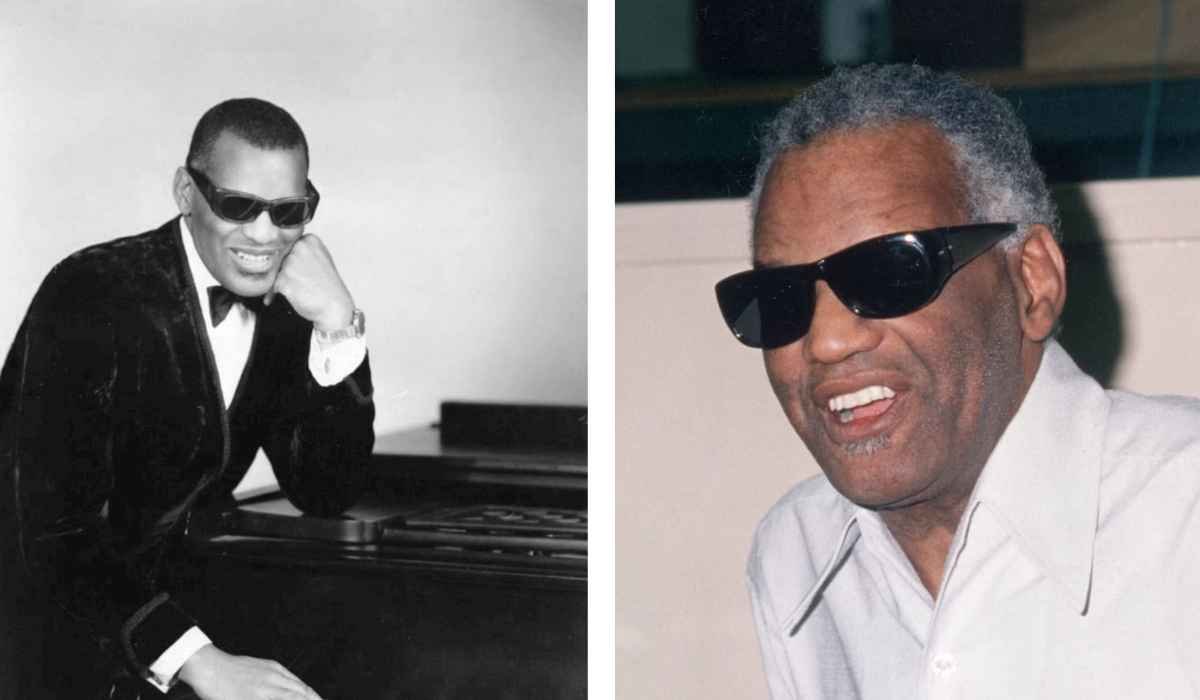
The world of popular music transformed forever when a legendary pioneer named Ray Charles decided to blend gospel fervor with secular blues and rhythm, giving birth to an unforgettable sound and timeless artistic breakthroughs that continue to captivate music lovers globally, inspiring generations to embrace soulful melodies with unmatched enthusiasm, passion, and boundless joy. Through remarkable vocal brilliance and piano mastery, Ray Charles revolutionized the music industry by proving that genres could be seamlessly combined into an exhilarating, genre-defying experience, leaving behind a permanent cultural footprint that transcends racial barriers and remains deeply cherished across radio waves, concert halls, and music collections everywhere today.
Quick Bio Section
- Birth Name: Ray Charles Robinson
- Born: September 23, 1930, Albany, Georgia, U.S.
- Died: June 10, 2004, Beverly Hills, California, U.S.
- Nicknames: The Genius, The High Priest of Soul
- Notable Songs: What’d I Say, Georgia on My Mind, Hit the Road Jack
Early Life Foundations and Georgia Upbringing
Early life in Albany and Greenville provided Ray with a challenging foundation where harsh poverty and personal tragedy deeply shaped his future resilience. Growing up during the segregated American South, Ray Charles developed a unique perspective on the world through the soothing sounds of local blues musicians and church choirs. These formative childhood experiences nurtured an extraordinary musical ear that would eventually redefine modern American music across the entire globe for countless eager listeners. Young Ray faced unimaginable hardship when he gradually lost his eyesight completely during early childhood, yet his indomitable spirit remained entirely unbroken and fiercely creative.
Education at Florida School for the Deaf and Blind
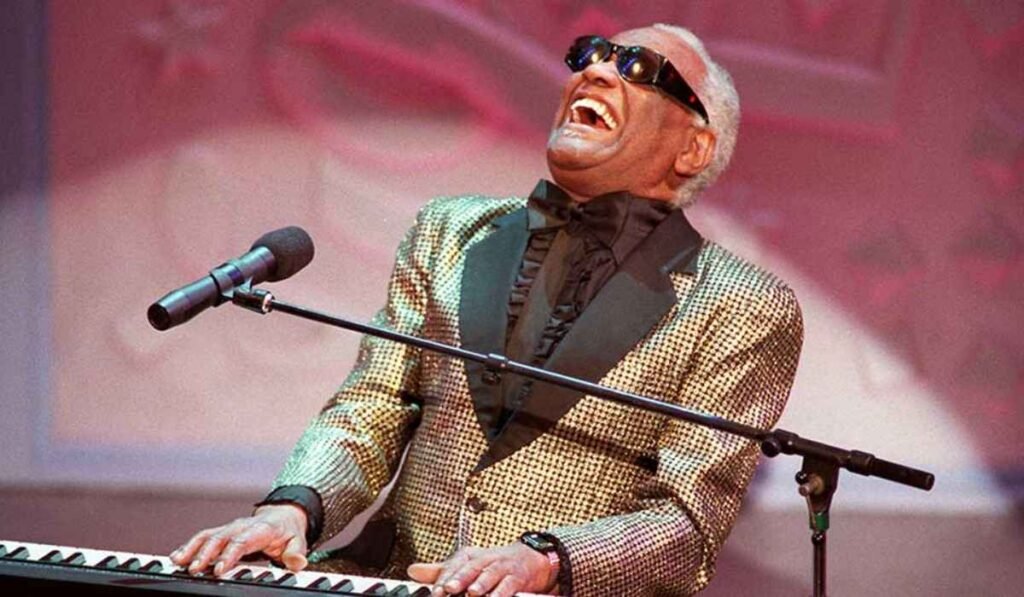
Education at the Florida School for the Deaf and Blind allowed him to hone his formal musical skills while learning to read and write musical arrangements in Braille. During his formative student years, Ray Charles mastered multiple instruments including the piano, clarinet, and alto saxophone with astonishing speed and precision. Balancing classical music training with late-night jazz listening helped Ray establish the eclectic musical taste that later became a trademark of his legendary recordings. School instructors quickly recognized that young Ray possessed an absolute genius for auditory learning and complex musical composition.
Seattle Beginnings and Early Career Struggles
Pursuing a professional career took him northwest to Seattle, where he formed his first musical combo and began performing in local jazz clubs. Leaving Florida behind without financial resources, Ray Charles arrived determined to build a successful career centered around rhythm and blues piano playing. This bold geographic transition allowed Ray to dive headfirst into the vibrant West Coast music scene during the mid-1940s. Late-night club performances honed his stage presence, while early recordings heavily reflected the smooth, sophisticated style of musical idols like Nat King Cole.
Atlantic Records Breakthrough and Soul Pioneering
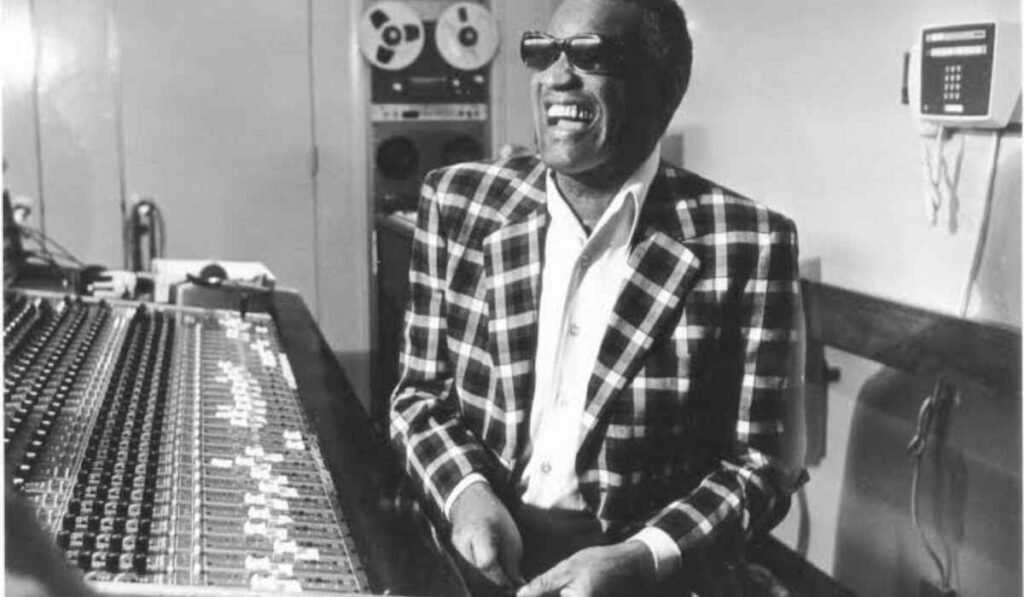
Signing with Atlantic Records marked a major turning point, establishing Ray Charles as an innovative force ready to shatter traditional musical boundaries. Publishing hit after hit, he famously combined impassioned gospel vocal techniques with secular themes to invent an entirely new genre known as soul music. Overcoming persistent industry skepticism proved that the distinct creative vision championed by Ray possessed immense untapped commercial value. Music executives who initially doubted his stylistic experiments later realized they had witnessed the birth of a true American musical revolution.
Crossing Over to Pop and Country Music
Mainstream crossover success exploded when he embraced pop standards and country music, proving his remarkable versatility as a dynamic vocal stylist and arranger. A famous artistic decision to record a groundbreaking album of country and western songs stunned industry traditionalists and delighted millions of fans worldwide. This clever stylistic expansion proved that brilliant interpretation by Ray Charles did not require genre limitations to capture the absolute fascination of diverse audiences. Millions of listeners embraced country classics anew because Ray transformed traditional tunes into soulful masterpieces.
Civil Rights Activism and Cultural Impact
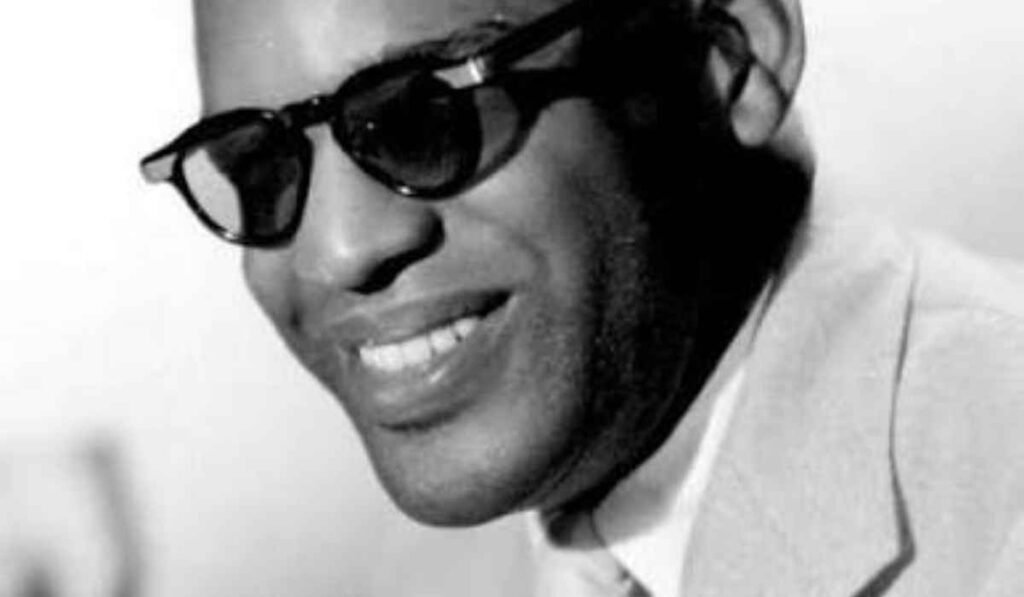
Civil rights advocacy became a defining aspect of his career as Ray Charles courageously refused to perform before segregated audiences in his home state of Georgia. Cultural impact expanded rapidly as his timeless anthems provided a powerful soundtrack for social change and racial integration across America. Generations of fans learned empathy and social justice because beloved songs by Charles addressed cultural divides with uncompromising dignity and grace. Sociologists frequently study how effectively Ray used his massive global platform to challenge institutional racism and promote equality.
Grammy Awards and Major Accolades
Honorary awards and numerous Grammy trophies followed throughout his illustrious lifetime, cementing the legendary status of Ray Charles in music history. Receiving widespread critical acclaim ensured that the artistic contributions made by Charles were permanently etched into the global pantheon of musical greatness. Major cultural institutions proudly welcomed Charles as a transformative icon who forever changed modern American popular culture. Presidential honors and Kennedy Center recognition highlighted the profound national gratitude felt toward his monumental musical legacy.
Personal Life and Late Career Reflections
Personal struggles with addiction and complex relationships tested his resilience, yet Ray Charles ultimately triumphed over personal demons to achieve lasting peace. Late-career reflections yielded inspiring insights that continue to motivate young musicians navigating the uncertain paths of the entertainment industry. Even in his older age, Ray Charles maintained an incredible creative energy that enabled him to connect effortlessly with younger generations of superstar artists. Close friends frequently noted that Ray possessed an infectious passion for performance that never faded despite decades of grueling worldwide tours.
Philanthropic Legacy and Educational Advocacy
Philanthropic efforts and educational advocacy occupied his final years, ensuring that hearing-impaired and visually impaired students received vital support and resources. Passing away in 2004, Ray Charles left behind a monumental musical empire that continues selling millions of albums in dozens of countries. Dedicated foundations established in his honor ensure that the charitable vision of Ray supports hearing research and youth music education. Educational leaders worldwide frequently praise how generously Ray funded schools and charities during his final decades of life.
Modern Cinematic Adaptations and Global Reach
Modern film biographies, such as the critically acclaimed movie starring Jamie Foxx, regularly introduce his extraordinary life story to brand-new generations of global fans. Educational institutions nationwide celebrate his musical contributions annually through cultural events that honor the lasting artistic footprint left by Ray Charles. International audiences continue embracing the timeless recordings originally penned or performed by Ray Charles with unflagging enthusiasm and delight. Hollywood studios continuously celebrate the cultural impact of Ray Charles through documentaries, tribute concerts, and permanent museum exhibits.
Archival Preservation and Historical Context
Archived original master tapes and personal papers preserved in university libraries offer researchers deep insights into the meticulous recording process behind Ray Charles songs. Cultural discussions regarding his unique vocal phrasing also prompt modern musicologists to contextualize the historical evolution of soul and R&B music. Academic scholars continue analyzing how the creative output of Ray Charles reflected the changing social norms of twentieth-century America. University archives carefully protect the original musical scores written by Ray Charles for future generations of historians.
Universal Themes and Enduring Relevance
Universal themes of heartbreak, perseverance, and unyielding joy ensure that the musical heritage built by Ray Charles remains perpetually relevant and profoundly influential. Future generations will undoubtedly continue discovering the soul-stirring vocals, intricate piano riffs, and heartwarming wisdom gifted to humanity by the legendary Ray Charles. The unmatched cultural longevity guarantees that future music schools will forever celebrate the artistic genius embodied by Ray Charles. Global critics agree that few vocalists matched the profound emotional depth achieved by Ray Charles over his lifetime.
Early Musical Influences in Florida
Local church services and encouraging mentors throughout his early years nurtured his natural piano-playing abilities long before professional success became a realistic goal. These formative creative experiences allowed Ray Charles to develop a distinct musical vocabulary that would later define his iconic recording style. Friends and family members frequently recalled how young Ray spent hours listening to blues records played on dusty neighborhood jukeboxes. Long afternoon listening sessions deeply inspired the musical mind of young Ray Charles.
Editorial Partnerships and Creative Collaborations
Working closely with dedicated arrangers, producers, and studio musicians played a pivotal role in refining his rough song ideas into polished commercial masterpieces. Such collaborative relationships ensured that every track produced by Ray Charles maintained its signature blend of raw emotional power and professional polish. Professional trust between recording executives and Ray Charles allowed innovative crossover ideas to reach radio stations without unnecessary corporate interference. Studio engineers often spent hours helping Ray Charles perfect the acoustic balance of complex horn sections.
Evolution of Piano Styles and Jazz Roots
Mastering the art of stride piano and bebop jazz allowed his keyboard solos to bounce with an infectious rhythm that made dancing an absolute joy. This instrumental mastery became a defining hallmark of every project undertaken by Ray Charles throughout his illustrious recording career. Aspiring keyboardists frequently study the technical precision embedded within the timeless piano intros crafted by Ray Charles. Jazz critics frequently praise how effortlessly Ray Charles manipulated complex musical scales without losing melodic accessibility.
International Touring and Global Appeal
Touring his electrifying live show across Europe, Asia, and beyond presented unique challenges embraced by his fiercely loyal road band and management team. Despite cultural and linguistic barriers, the universal emotion inherent in songs by Ray Charles successfully resonated with listeners across every continent. Global music markets welcomed the energetic live performances of songs originally recorded by Ray Charles with open arms. Foreign fans spent countless hours memorizing lyrics that captured the soulful spirit of Ray Charles.
Legacy in Contemporary Pop Culture
Modern fashion, television commercials, and cinematic soundtracks continuously reinvent the vibrant musical worlds brought to life by Ray Charles. This ongoing cultural omnipresence proves that the artistic vision of Ray Charles remains as vital and beloved today as it was decades ago. Consumers of all ages continue purchasing vinyl records celebrating the iconic hits created by Ray Charles across global retail markets. Universal brand recognition ensures that future generations will always recognize the unmistakable vocal style pioneered by Ray Charles.
The Genius of Modern Soul Innovation
Bridging the gap between sacred church music and secular party anthems created an unprecedented cultural shift that permanently altered the landscape of American audio art. Record producers and vocalists across hip-hop, rock, and pop genres frequently cite Ray Charles as their primary creative inspiration. This ongoing stylistic lineage proves that the foundation laid by Ray Charles continues to shape contemporary music production standards worldwide. Modern music history textbooks universally credit Ray Charles with inventing the modern blueprint for soulful crossover success.
FAQs
- What was the real name of Ray Charles?
- Ray Charles Robinson
- Which song became his first major pop chart number-one hit?
- Georgia on My Mind
- At what age did Ray Charles lose his eyesight completely?
- Around seven years old
- How many Grammy Awards did Ray Charles win during his career?
- 17 Grammy Awards
- Which record label launched his career into superstardom in the 1950s?
- Atlantic Records